Rwenzori Trekking Cost: Learn how much it costs to climb the Rwenzori Mountains, what influences trekking prices/costs, what is included in the trekking costs, additional expenses, and how to choose the right Rwenzori trekking itinerary.
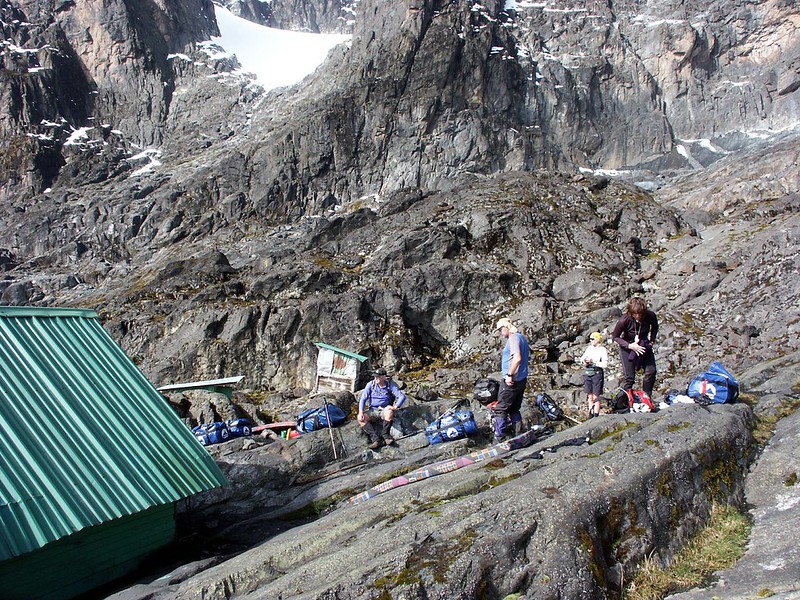 Ask ten Rwenzori operators what a Rwenzori trek costs, and you will get ten different numbers, which is precisely why so many travelers arrive at this question feeling more confused than when they started. Does Rwenzori trekking cost a lot? Compared to a weekend in the hills, yes, Rwenzori trekking costs more. Compared to what it takes to move a trained guide, a team of porters, a kitchen, and a full camp system through five vegetation zones and, for some routes, onto a working glacier, the honest answer is that it costs what it genuinely takes to do the job safely and well. Prices vary between operators for reasons that have little to do with marketing and everything to do with what stands behind the number: the ratio of guides to clients, the experience of the porter team, the quality of the safety equipment, and how carefully the logistics have been planned before you set foot on the trail.
This Rwenzori Mountains trekking cost guide exists to remove the guesswork. Rwenzori Trekking Expeditions will walk you through exactly what drives the cost of a Rwenzori trek up or down. What does the cost of a typical Rwenzori trekking package include and exclude? how the cost of Kilembe Trail compares with the Central Circuit Trail, and how to budget sensibly for a trek that matches your fitness, your timeline, and your appetite for the summit itself, whether that’s a gentle one-day Rwenzori forest walk or a full Rwenzori expedition to Margherita Peak. The single most useful thing we can tell you before you read another word is that, for the best value in these Rwenzori mountains, it is rarely the lowest figures on a Rwenzori quote. It is the operator who tells you, clearly and in advance, exactly what these figures buy
Quick Overview of the Rwenzori Trekking Cost
Before the detail, here is the shape of the decision. Rwenzori treks run from a one-day trek in the lower forest to nine-day summit expeditions, and prices/costs scale with duration, route itinerary, and how many peaks you intend to stand on top of. The table below is a simplified orientation, not a quotation. Use it to work out which category fits your trip, and then read on for the real figures.
Trek Type | Typical Duration | Best For |
Forest / Nyabitaba Walk | 1 Day | First-time visitors, families with limited time |
Sine or Mahoma Loop | 2–3 Days | Short scenic adventures, couples, easing into altitude |
John Matte / Waterfalls Circuit | 3–4 Days | Scenic trekking without a summit push |
Weismann Peak / Bujuku Camp | 5–6 Days | High-altitude experience without full glacier travel |
Margherita Peak Expedition | 7–9 Days | Full summit expeditions, serious mountaineers |
This Rwenzori Trekking Cost guide quotes all figures in US dollars, per person, based on our most recently published rates. Where a price depends on group size, we say so explicitly: smaller private groups generally pay a higher per-person rate than travellers joining as three or more, since fixed costs, such as guide wages, are shared among fewer people. Park entrance fees from the Uganda Wildlife Authority on the Kilembe Trail are billed separately, in cash, per day, alongside the Rwenzori trekking cost. All prices are subject to change and should be confirmed with our team at the time of booking, since park fees, staff wages, and logistics costs are reviewed periodically by the relevant authorities and by us.
Why Does the Cost of Rwenzori Treks Vary?
The first thing to understand is that a Rwenzori trek is not a single product with a single price; it is a logistics operation tailored to your specific itinerary, and every variable in that itinerary affects the total cost.
Duration is the most obvious lever: a two-day forest walk requires a fraction of the guides, porters, food, and camp logistics of a nine-day Margherita Peak expedition, so the cost scales accordingly and, roughly, though not perfectly, linearly with the number of days on the mountain.
Group size is the second major factor and often the one that surprises travellers most. Certain fixed costs like: a guide’s daily wage, vehicle transfers, permit processing, are effectively the same whether you trek alone or with five companions, so operators typically quote a higher per-person rate for solo or two-person groups and a lower rate once three or more people share the trek. This is standard practice across the industry, not a hidden markup, and it is worth knowing before you compare two quotes that otherwise look identical.
The route you choose changes the cost of climbing Rwenzori as well. The Kilembe Trail and the Central Circuit Trail are operated through different logistics networks, each with its own guide teams, camp infrastructure, and fee structures, and neither is simply ‘the cheap one’; each has its own cost curve depending on which peaks and camps you include. Layered on top of route and duration are the specific inclusions: whether the Rwenzori trekking cost price covers full-board meals or a simpler ration, whether porters are provided as standard or optional, whether technical mountaineering equipment for glacier sections is bundled in or rented separately, and whether ground transport to and from the trailhead is part of the package. Seasonal demand plays a smaller but real role too; the two peak trekking windows draw more bookings and can mean less flexibility on private departure dates, while the quieter shoulder months sometimes allow more room to negotiate a custom schedule. Finally, whether you book a private, fully customized expedition or join a scheduled group departure has a meaningful effect on the cost of the Rwenzori trek, which we will cover in detail later in this guide.
What’s Included / What’s Excluded in the Rwenzori Trekking Cost
Transparency is the foundation of trust in an industry where quotes can vary by hundreds of dollars for what appears to be the same trek. Every Rwenzori Trekking Expedition itinerary is priced to cover the full operational backbone of your trek, the people, permits, and provisions that get you safely from trailhead to summit and back, while leaving certain personal and pre/post-trek costs for you to arrange separately. Below is precisely what that split looks like in practice.
What’s Included in the Rwenzori Trekking Cost
The cost of each Rwenzori trekking package includes your park entrance and trekking fees for the Rwenzori trekking route and duration booked, a qualified mountain guide, and the full porter team required for your group and route, including their wages, food, and equipment. Throughout the trek, our mountain chefs prepare full-board meals and arrange drinking water. Accommodation in mountain huts, camps, or tents along your chosen route is included for every night on the trail, and on the Central Circuit trail specifically, technical climbing equipment such as crampons, an ice axe, rubber boots, and a climbing harness is bundled into the standard package for any summit attempt requiring glacier travel.
What’s Excluded in the Rwenzori Trekking Cost
Excluded from every package are your international and domestic flights, Uganda visa fees, and travel insurance, all of which you will need to arrange independently before departure. Personal warm-weather gear, sleeping bag, insulated jacket, gloves, hiking boots, trekking poles, and similar personal equipment, are not included in the trekking cost itself, though much of it can be rengear, a sleeping detaian insulated. Also excluded are gratuities for your guide and porter, tea equipment, personal expenses such as laundry or souvenirs, and accommodation before or after the trek itself, since travelers arrive with very different pre- and post-trek plans.
Park Fees Cost Explained: Why Is Rwenzori Trekking Expensive?
It’s a fair question and one worth answering honestly rather than defensively. Rwenzori Mountains National Park is a UNESCO World Heritage Site, and the costs attached to trekking within it fund considerably more than a gate and a ticket booth. A share goes toward conservation of one of Africa’s most ecologically distinct protected areas, home to endemic giant lobelias, groundsel forests, and species found nowhere else on the continent. Another share funds towards trail maintenance across genuinely difficult terrain, boardwalks through the notorious lower bog, bridges across glacial streams, fixed ropes on the technical sections near Elena Hut, and infrastructure that has to be rebuilt and repaired continually given the volume of rain the Rwenzori Mountains range receives. Ranger services and search-and-rescue capacity are funded from the same Rwenzori trekking package cost, as is a portion that returns direct funds to local communities bordering the park, whose cooperation and stewardship are part of what keeps these mountains both accessible and intact. We won’t itemise the exact official Rwenzori trekking cost schedule line by line here, since park fees are reviewed periodically by the relevant authorities and a number quoted today can be out of date within a season but every quote we issue reflects the current fee structure at the time of your enquiry, and we are always happy to explain exactly how a given quote breaks down.
Guide and Porter Costs: What You’re Really Paying For
A significant share of any Rwenzori trekking cost goes toward your guide and porter team, and this allocation is deliberate rather than incidental. Your guide is your primary safety system on the mountain: he is the person reading the weather that’s about to turn, judging whether a river crossing is safe, recognising early signs of altitude sickness before they become dangerous, and holding the route knowledge that comes only from years on this exact trail. Porters carry camp equipment, food, and group gear across some of the most physically demanding trail conditions in East Africa, work that is both skilled and genuinely exhausting, and their wages are one of the most direct ways a trekking fee supports the local economy around the park. Beyond the practical labor, a well-run guide and porter team is your emergency response system: the difference between a manageable problem and a serious one, hours from the nearest road, usually comes down to the experience of the people walking with you. When you compare quotes between operators, guide-to-client ratios, and porter wage practices, they are worth asking about directly; they tell you far more about what you’re actually paying for than the headline price alone.
Equipment Rental Costs
Very few international travellers arrive with a full mountaineering kit already in their luggage, and sensibly so, much of the specialised gear a Rwenzori summit requires is easier and cheaper to rent locally than to buy and fly with. Sleeping bags, trekking poles, gaiters, duffel bags, and the technical equipment needed for glacier sections of a Margherita Peak attempt, as well as crampons, ice axe, and harness, are generally available to rent through our base operations. Reserving rental gear in advance, rather than assuming it will be available on arrival, is the sensible approach during peak trekking months when demand is highest; we maintain our rental equipment to a good working standard and can confirm exact current rental costs and availability for your specific itinerary at the time of booking, since inventory and pricing are reviewed regularly.
Transportation Costs
Getting to the trailhead is a cost worth budgeting for separately from the trek itself. Most international travellers fly into Entebbe and, from there, face a choice between a long road transfer to Kasese, the closest town to both the Kilembe Trail and Central Circuit trailheads, or a domestic flight that considerably shortens the journey, but at a higher cost. Overland transfers from Kampala to Kasese typically take about half a day, depending on road conditions, while a domestic flight can cut that to under an hour. Airport transfers and private vehicle hire for the final stretch to the trailhead are worth arranging in advance rather than on arrival. Whether transport is bundled into your package or quoted separately depends on your specific itinerary; we’re always transparent about which is which when we send through a quote, and can arrange the full journey door-to-door if that’s what simplifies your trip planning.
Accommodation Before and After the Trek
Your nights on the mountain itself are covered within your Rwenzori trekking package cost, but most travelers also need at least one night in Kasese or the surrounding area before and after the trek to arrive rested and to recover, shower properly, and repack before flying home. Budget lodges in the area offer simple, clean rooms at a modest nightly cost; mid-range options add more comfort and better food for a moderate step up in price; and a handful of higher-end lodges near Kasese and Kilembe trail provide a genuinely restorative base for travelers who want to bookend a demanding trek with real comfort. Factoring two to four extra nights of accommodation into your overall trip budget, alongside the Rwenzori trekking cost itself, gives a far more realistic picture of total expenditure than the trekking fee alone.
Cost by Trek Duration
One- to Two-Day Rwenzori Trekking Cost
Short forest walks and overnight trips to camps such as 1 day hike to Nyabitaba or 2 day trek to Sine hut at the lower end of the cost scale and suit families with young children, first-time visitors curious about the range without committing to a multi-day expedition, or anyone slotting a Rwenzori taste into a broader Uganda itinerary alongside gorilla trekking or a safari in Queen Elizabeth National Park.
Three to Five Days Rwenzori trekking cost
This mid-range band, routes such as the John Matte Trek, 4-day Rwenzori Waterfalls Circuit trek, or a push to Weismann Peak or Bujuku Camp, offers real scenic and high-altitude reward without the full technical demands of a glacier summit, and represents excellent value for photographers, couples, and travellers who want a genuine wilderness experience within a moderate budget and timeframe.
Six to Nine Day Rwenzori Trekking Cost
At the top of the range sit the full summit expeditions, the Central Circuit trail and Kilembe Trail routes to Margherita Peak, and multi-peak itineraries that take in Mount Speke, Mount Baker, and Weismann’s Peak in a single trip. These are priced for serious hikers and mountaineers, and the added cost reflects the additional days of guiding, porterage, technical equipment, and food required for a genuine high-altitude expedition rather than any change in the fundamentals of what’s included.
Private vs. Group Rwenzori Trekking cost
A private Rwenzori trekking safari is built entirely around you: your pace, your rest days, your preferred start times, and a departure date that suits your travel schedule rather than a fixed calendar. That flexibility comes at a higher per-person cost, since a smaller group carries the fixed expenses of guiding and logistics. A scheduled group departure, by contrast, shares those same fixed costs across more travelers, lowering the individual price and adding the social dimension of trekking alongside other adventurers, which appeals to solo travelers in particular, but ties you to a fixed departure date and a pace set for the group as a whole. Neither option is objectively better; the right choice depends on whether your priority is flexibility or value and on how much you enjoy sharing camp with fellow trekkers versus having the mountain experience entirely to yourselves.
Luxury vs. Mid-Range Rwenzory Trekking Experiences
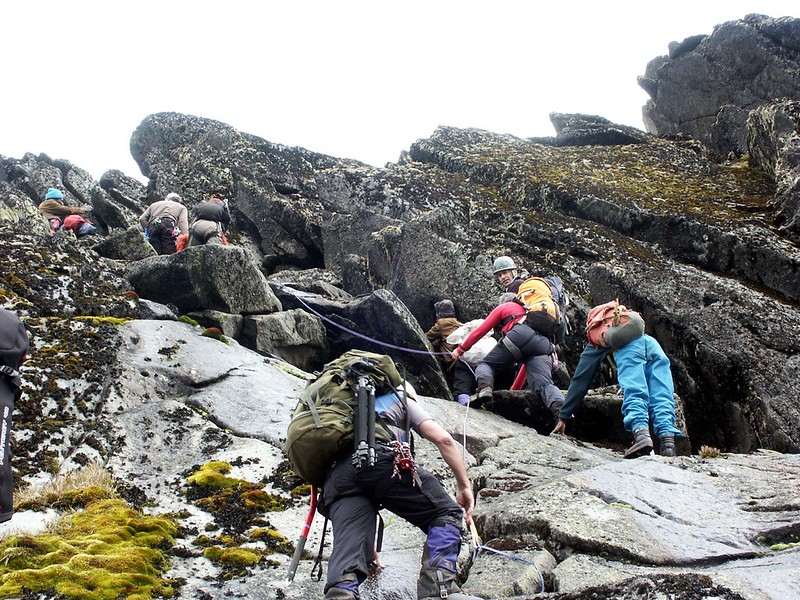
It’s worth being clear about what changes and what doesn’t as you move up the service tiers. On the mountain itself, every trekker sleeps in the same network of huts, camps, and tents regardless of package level, there is no five-star lodge waiting at 4,000 metres, and that consistency is part of what keeps the experience genuine. What a higher-tier, luxury-supported package typically adds is everything around the trek: private airport and road transfers rather than shared transport, premium hotel stays in Kasese or Kampala before and after your days on the mountain, a higher guide-to-client ratio for more personalised attention and support, and additional logistical handling, pre-trek gear checks, more flexible scheduling, and a more senior lead guide, that smooths every part of the experience outside the camps themselves. Mid-range packages deliver the same fundamental trek with a leaner support structure around it. Choosing between them is less about comfort on the mountain and more about the support you want off it.
Hidden Costs to Plan For
Even a carefully budgeted trek tends to carry a handful of smaller costs that first-time trekkers often overlook; equipment rental, if you arrive without your gear, adds a modest but real amount to your total spend, personal snacks beyond the meals provided, aundry before or after the trek, souvenirs from local craft markets in Kasese are worth a small discretionary allowance, gratuities/tips for your guide and porter team are customary, expected, and not included in the trekking fee itself; we’re happy to advise on typical amounts when you book. And perhaps the most commonly underestimated cost of all is an extra hotel night or two built into your schedule as a buffer, since flight delays, an extra rest day after a demanding summit push, or simply wanting a full day to recover before flying home are all common enough that we’d rather you plan for them than be caught out.
Is Climbing the Rwenzori Worth the Cost?
We’ll let you draw your own conclusion, but here is what we’d want you to weigh. The Rwenzoris hold UNESCO World Heritage status for reasons that become obvious the moment you enter the bamboo zone and watch the vegetation transform, zone by zone, into something closer to another planet than anywhere else on earth. They see a fraction of the footfall of Kilimanjaro or even Mount Kenya, which means trails, huts, and summit mornings that feel genuinely wild rather than queued. The terrain is more varied and, underfoot, often more demanding than either of those better-known mountains, with rainforest, bog, heather, and glacier sometimes all in the same week, and the guiding required to move safely through that variety is correspondingly more specialised. For travellers who value a challenging, unhurried, professionally supported mountain experience over a more crowded, more famous alternative, the cost is often judged, after the fact, to be entirely proportionate to what it delivers.
Comparison with Other African Mountains
Travellers considering a Rwenzori trek often have Kilimanjaro or Mount Kenya on the same shortlist, and the honest answer to ‘which is cheaper‘ depends heavily on route, operator, and duration. However, broad claims about one being categorically less expensive than another rarely hold up once you compare like-for-like itineraries. What differs more reliably is the character of the experience itself.
Mountain | Typical Duration | Experience |
Rwenzori Mountains | 3–9 Days | Rainforest through to glaciated Afro-alpine summits, low crowds |
Kilimanjaro | 5–9 Days | Volcanic single-cone ascent, well-established infrastructure |
Mount Kenya | 4–6 Days | Alpine trekking with technical rock routes on the higher peaks |
Rather than ranking these against each other, we’d encourage you to choose based on the kind of week you want: Kilimanjaro for a well-trodden, highly organised single-mountain ascent; Mount Kenya for a shorter alpine trip with technical variety; and the Rwenzoris for the most ecologically diverse, least crowded, and arguably most physically varied of the three, glacier included.
How to Save Money Without Sacrificing Safety
There are genuine, sensible ways to reduce the budget for Rwenzori trekking costs, and none of them involve compromising on the things that keep you safe. Joining a scheduled group departure instead of booking a private Rwenzori trekking excursion is the single biggest lever, as it spreads fixed guiding and logistics costs across more people. Booking well in advance, particularly for the peak trekking windows, tends to open up more flexibility on dates and occasionally better group-rate pricing, since operators can plan guide and porter allocation further ahead. Renting specialised equipment such as sleeping bags, technical mountaineering gear, or trekking poles is almost always more economical than purchasing a kit you may use only once, and travelling during the quieter shoulder months, where appropriate for your itinerary, can provide more room to negotiate a custom schedule. What we would never recommend, even if you’re trying to manage costs, is trimming the guide-to-client ratio, skipping proper acclimatisation days on a summit itinerary, or opting for underqualified guiding to save a modest sum; the mountain does not offer refunds for that kind of shortcut.
Best Time to Travel
For most Rwenzori trekking Safari itineraries, the two drier windows — mid-December to mid-February, and June through August, offer the firmest underfoot conditions, the lowest river crossings, and the best odds of clear views for any Margherita Peak summit attempt, making them the preferred choice for both first-time trekkers and serious mountaineers. These windows also tend to see the most scheduled group departures, which is worth knowing if a lower-cost group booking is part of your plan. Travellers whose priority is the range’s exceptional biodiversity, rather than summit visibility, sometimes find the wetter shoulder months rewarding in their own right, since rainfall keeps the lower forest and heather zones at their lushest, though budgeting for a private departure becomes more likely outside peak season, since scheduled group trips run less frequently.