Sleeping Bags – Rwenzori Hiking Gear/Equipment Rental
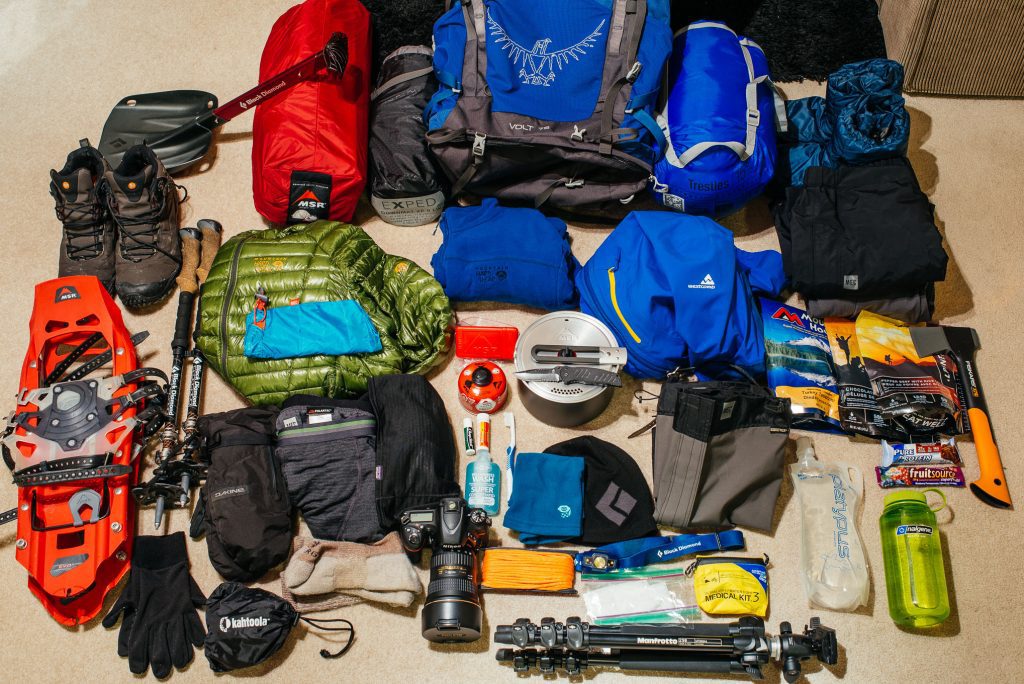
Sleeping bags are among the most sought-after rental items in the Rwenzori, and for valid reasons. A sleeping bag suitable for mountainous conditions must be certified for a minimum of -10°C, with an optimal rating of -15°C for individuals undertaking higher camps above 4,000 metres on routes such as the Central Circuit or on ascents towards Margherita Peak. These bags cannot be bought inexpensively from a typical outdoor outlet. High-quality climbing sleeping bags are costly, cumbersome to carry, and challenging to pack with other essentials for a comprehensive Uganda itinerary.
Rwenzori Trekking Expeditions offers rental sleeping bags that are approved for four seasons, suitable for the temperature variations experienced at high altitudes. They are washed and disinfected between missions and stored appropriately. The rental fee for a sleeping bag ranges from $5 to $8 USD per day, contingent upon the specifications. The rental charge for a regular seven-day walk on the Central Circuit Trail ranges from $35 to $56, far less than the cost of purchasing a comparable bag and more realistic considering the logistics of travel.
Sleeping Bag Liners
Liners enhance the thermal rating of any sleeping bag by several degrees and fulfill a dual hygienic purpose, maintaining the cleanliness of the primary bag over several uses. They are lightweight, small, and truly beneficial in the Rwenzori, where weather in the upper huts can be humid. Liners can be rented for roughly $2 to $3 per day; however, professional trekkers typically prefer to possess this type of equipment. Silk or merino wool liners are sufficiently small for easy packing and contribute negligible weight.
Crampons | Rwenzori hiking/Climbing Gear Rewntal
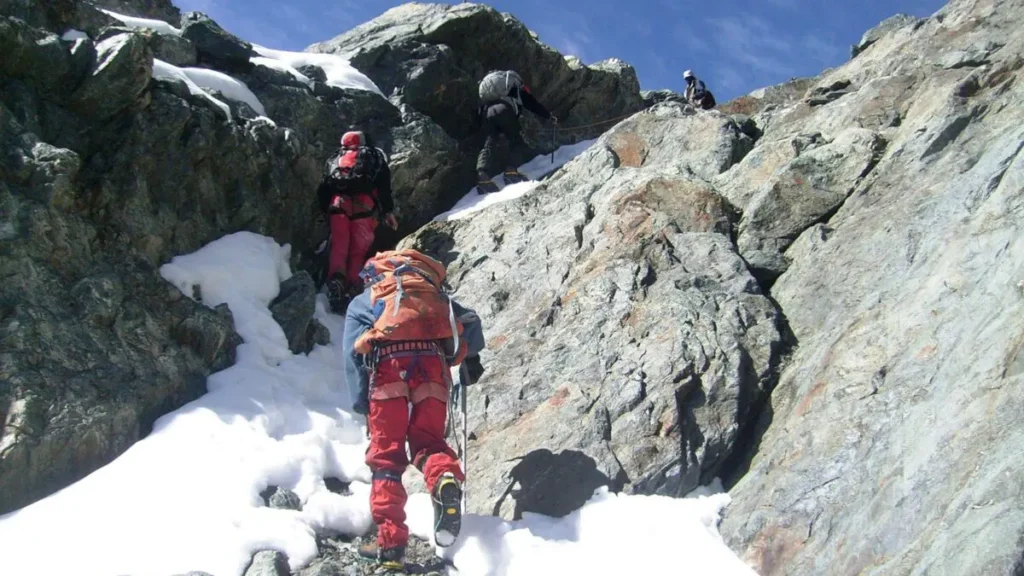
Crampons are essential for the upper segments of any route leading to Margherita Peak or other glaciated summits in the range. The glaciers of the Rwenzori are declining as a result of climate change; however, the terrain over 4,500 meters is often covered in ice, the route to the Elena Hut traverses permanent snowfields, and a summit attempt on Mount Stanley necessitates proficient crampon skills and properly equipped gear.
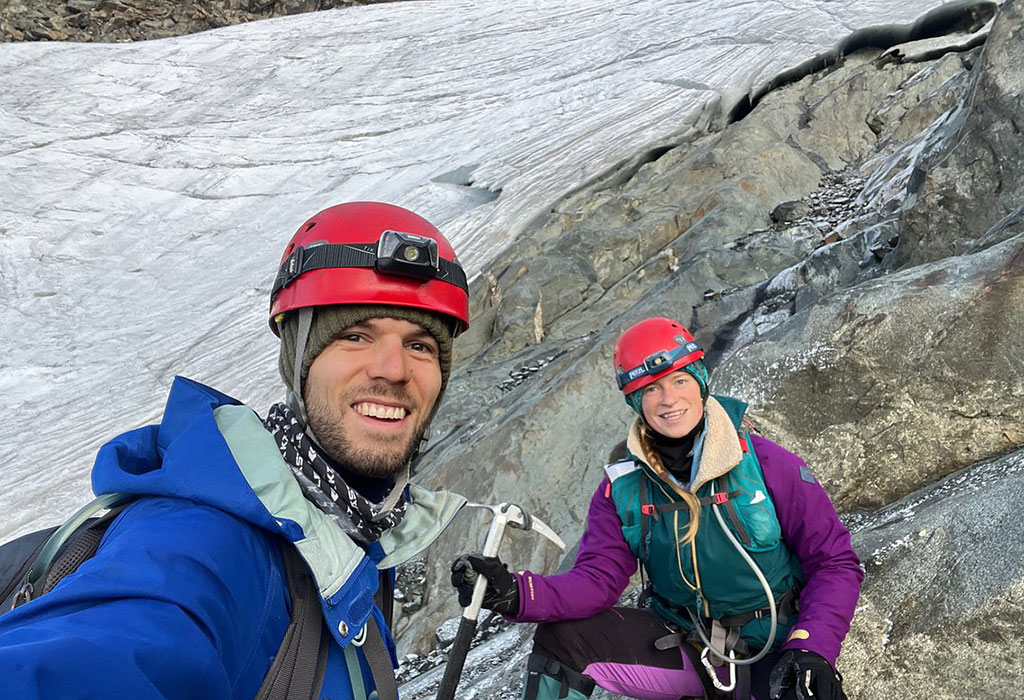
Rental crampons on the Rwenzori are often ten or twelve-point steel models designed for compatibility with semi-rigid mountaineering footwear. They are offered in various sizes and modified by guides prior to departure. The rental fee ranges from around $5 to $7 daily. A crucial consideration: crampons must be appropriately sized for your boots, necessitating verification of compatibility for both personal and rented footwear prior to leaving the trailhead. Your guide will assess the fit during pre-trek preparations; nevertheless, consult with your operator beforehand.
Ice Axes | Rwenzori Hiking Rental Gear
The ice axe is undoubtedly the most psychologically significant item on the Rwenzori Mountains Hiking gear list. Numerous trekkers, including seasoned individuals, have never utilized one, and the prospect of traveling overseas with a mountaineering ice axe necessitates compliance with airline restrictions about sharp objects in checked baggage. The direct response is: hire it in Kasese.
Ice axes for rent from specialized providers on the Rwenzori are suitable climbing instruments, not inferior replicas. They are generally 55–65 centimeter general-mountaineering axes appropriate for the upper mountain terrain. Guides will offer fundamental instructions on usage throughout the approach phases of the journey, and on demanding summit routes, your guide will evaluate when and how to utilize the axe. Rental expenses range from $5 to $7 daily.
Gaiters | Rwenzori Hiking Rental Gear
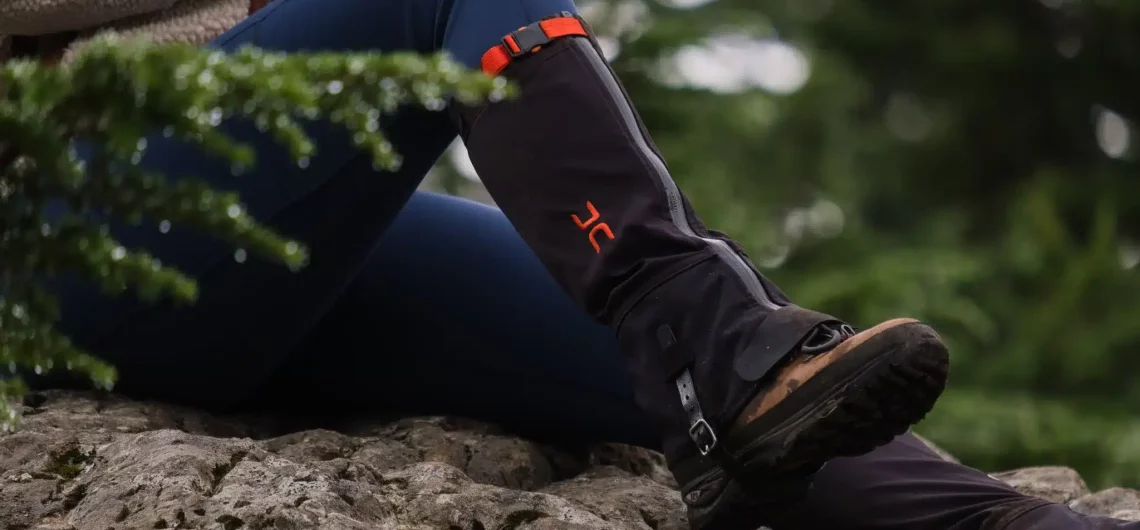
Gaiters are among the most highly recommended rental goods in the Rwenzori, however first-time tourists sometimes underestimate their importance. The mountain is renowned for its high precipitation. The valley segments of the Kilembe Trail and the lower approaches of the Central Circuit trail traverse dense, marshy vegetation, where the mud is notorious, reaching actually thigh-deep levels in many areas, especially during the rainy season. In the absence of gaiters, the mud will completely compromise your boots and lower pants within a few hours.
Full-length mountaineering gaiters that rise beyond the knee are favored in the Rwenzori compared to the shorter trail gaiters often employed in temperate environments. They can be rented for roughly $2 to $4 per day and offer exceptional value due to their significant enhancement of the experience on the lower routes.
Trekking Poles
Adjustable trekking poles are available for rent in Kasese and can greatly enhance navigation on the Rwenzori’s frequently steep and slippery terrain.
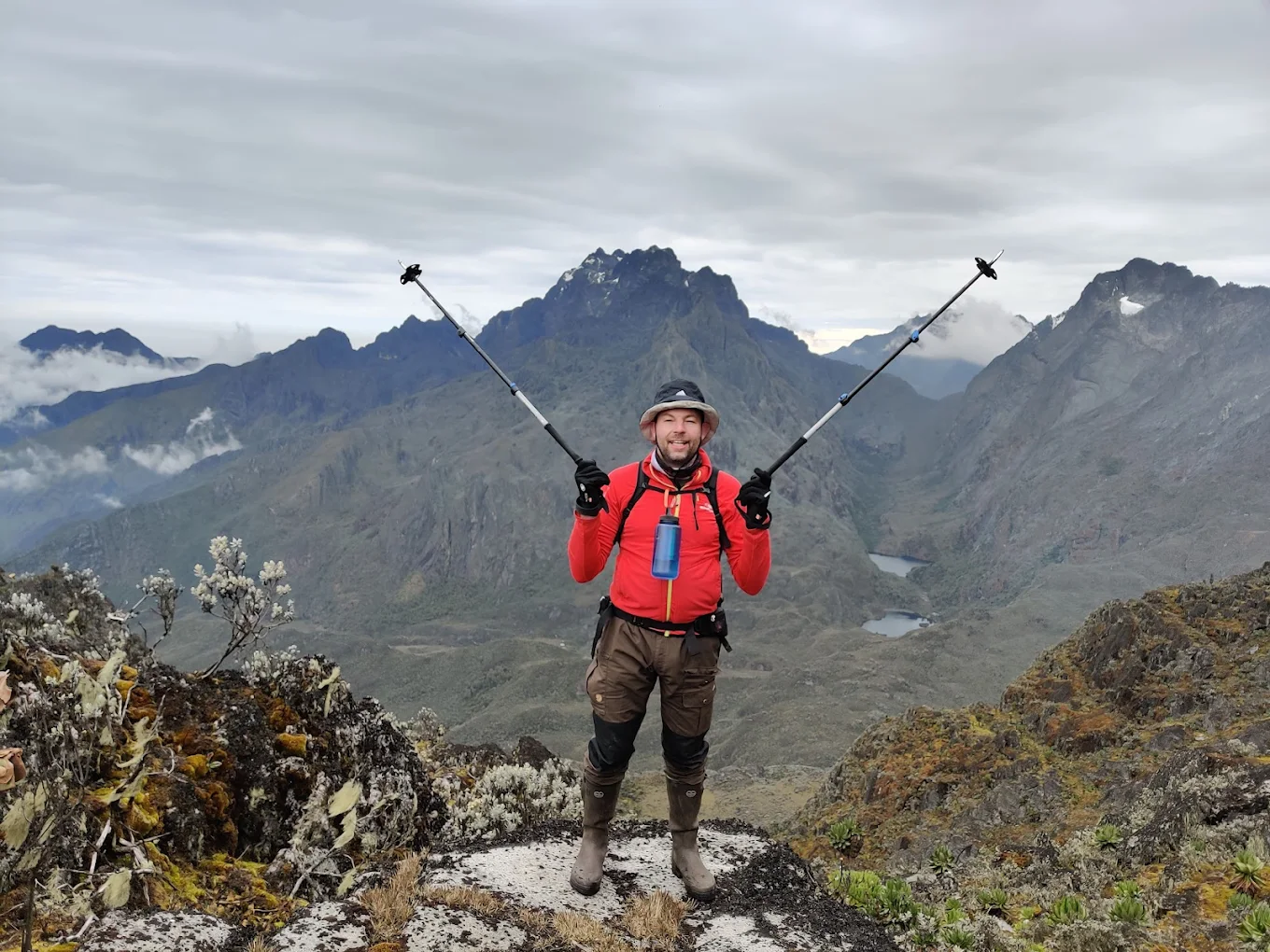
Utilizing poles while ascending the ridgelines above the Kilembe trail head or descending the boulder fields beneath Scott Elliott Pass on the Central Circuit enhances stability and mitigates cumulative knee strain during a multi-day trek. Rental fees range from $2 to $4 daily for each pair.
Water-Resistant Jackets and Trousers
Waterproof gear is available for rental; nevertheless, professional trekkers should exercise caution before depending on rented equipment in this category. The quality of rental waterproof garments may vary, and a jacket frequently used on wet Rwenzori excursions may have degraded its DWR (durable water-repellent) covering, rendering it only water-resistant rather than genuinely waterproof. In a mountainous region where rainfall may last for six to seven hours and altitudes exceed 4,000 meters among wind and sleet, a leaking jacket constitutes not merely a small inconvenience, but a significant safety concern.
Please bring a high-quality waterproof jacket if you possess one at home. If you are truly traveling light and require rental options, consult with the operator regarding the quality of available jackets beforehand and strategize to layer extensively underneath. Rental waterproof coats are priced at roughly $3 to $5 daily.
Mountaineering Boots
This category of footwear is the most contentious subject in the discourse around gear rental for the Rwenzori. Specialized mountaineering boots, characterized by a rigid sole necessary for crampon compatibility, can be rented from certain operators in Kasese, with Rwenzori Trekking Expeditions offering a limited range. Nonetheless, boot sizing and fit are highly individualized. Ill-fitting boots on the Rwenzori, characterized by rough terrain and a multi-day journey from trailhead to summit, can significantly compromise a trek, particularly when wet circumstances increase the risk of blistering.
We strongly advise purchasing or bringing boots instead of renting them. A pair of sturdy, high-quality waterproof mountaineering or heavy hiking boots is more valuable on the Rwenzori than any other individual item in your equipment. Consequently, if it is genuinely unfeasible for certain trekkers arriving on stringent itineraries with rigid baggage restrictions to bring boots, then it is indeed the case. Rental boots are accessible, and your guide will guarantee an optimal fit from the existing selection. The rental fee for mountaineering boots ranges from $7 to $10 daily.
Headlamps
Rental headlamps are accessible and operational; however, a flashlight is sufficiently lightweight and economical to bring from home, making rental seldom advisable. A high-quality light is required in mountainous terrain: peak expeditions generally commence between midnight and 2 AM, pre-dawn departures are customary at most camps, and the huts lack illumination. Batteries deplete more rapidly in cold circumstances at high altitudes. Carry a dependable headlamp along with additional batteries.
Duffel Bags and Waterproof Dry Bags
Large duffel bags for porters to transport your equipment are available for rent or lease through the operator. Each porter load must be sufficiently safeguarded against precipitation, and procuring supplementary waterproof dry bags or stuff sacks to cover your camera, passport, and sleeping bag within the duffel is advisable prior to your arrival at the trailhead. Operators generally offer instructions on packing porter loads to maintain weights within ethical and practical boundaries.
An Accurate Gear Rental Budget for a Rwenzori Trekking Expedition
A trekker renting essential technical equipment, including a sleeping bag, crampons, ice axe, gaiters, and trekking poles for a seven-day expedition like the Central Circuit Trail, could anticipate a reasonable price estimate as follows.
A sleeping bag priced at $6 per day for seven days totals $42. The cost of crampons at $6 each day totals $42. An ice axe costs $6 per day, totaling an additional $42 for 7 days. Full gaiters cost $3 every day, amounting to a total of $21. The cost of trekking poles is $3 per day, amounting to a total of $21. The total rental expense for essential technical equipment amounts to roughly $168 for the journey, which constitutes a little portion of the overall expedition budget for most foreign travelers and is significantly less expensive than acquiring comparable gear domestically or internationally.
Trekkers requiring the rental of waterproof garments and boots should allocate an extra $70 to $120 for the expedition. The comprehensive rental package for a trekker arriving with solely personal attire often ranges from $200 to $300 for a conventional seven-day adventure. Verify these values with your operator during the booking process, as they may modify the rate.
Essential Items to Bring from Home
Although rental choices exist in Kasese, a fundamental collection of equipment is routinely advised by seasoned Rwenzori guides for trekkers to pack from home. These are not discretionary additions; they are components for which fit, quality, and familiarity are sufficiently critical that relying on rentals poses a significant risk.
Your footwear is paramount. As previously mentioned, it is imperative to ensure that waterproof mountaineering or heavy trekking boots fit impeccably and have been adequately broken in, rather than leaving this to chance. In addition, include high-quality merino or synthetic thermal base layers that are sufficiently thin for easy packing, yet crucial for temperature regulation across the diverse conditions you will face, from humid valley heat at the trailhead to sub-zero wind chill near the peak. A resilient fleece mid-layer, your chosen hiking trousers, and a pair of high-quality waterproof gloves complete the personal clothing ensemble.
A headlamp accompanied by spare batteries is advisable to pack from home. Acquiring a high-quality sunscreen with an SPF of 50 or greater is challenging in Kasese and is essential in the glacier and snowfield areas over 4,000 meters, where ultraviolet exposure is severe. Personal first aid items, encompassing blister treatment, prescribed drugs, and altitude acclimatization medication (see your physician regarding Diamox prior to departure if altitude concerns arise), should accompany you.
Ensure your camera, irrespective of its type, is equipped with adequate moisture protection. The Rwenzori is truly one of the most visually stunning mountain settings in Africa; the huge lobelias, groundsels, and heathers of the afro-alpine zone are unparalleled for most trekkers, and the vistas from the peaks on clear days are remarkable. Avoid depending solely on a phone camera in environments where dampness and cold may impede even specialized equipment.
Keep your passport, personal belongings, travel insurance paperwork, and any permits in a waterproof document bag inside your daypack. Your operator will procure the trekking permits for Rwenzori Mountains National Park; nonetheless, it is prudent to save copies of the papers.
The Quality: What The Rental Equipment Is Truly Like on the Rwenzori
This is the inquiry posed by serious hikers, warranting a sincerely truthful response. The quality of rental equipment on Rwenzori varies among different operators and goods. The independent market in Kasese provides equipment ranging from fully functional to extensively used items that have diminished in utility. A frequently replaced crampon strap, a sleeping bag with considerable loss of loft, and a waterproof jacket with deteriorating seam tape are likely outcomes when renting from an operator that has not prioritized inventory maintenance.
The selection of the operator is as significant as any particular gear item. Rwenzori Trekking Expeditions curates its rental inventory only for the mountainous terrain and replaces goods that have surpassed their functional lifespan instead of continuing to offer them for hire. As experts focused solely on the Rwenzori, rather than managing a broad tourism enterprise with climbing equipment as a secondary consideration, the standard of our rental gear is intrinsically connected to the success and safety of the trips we conduct.
When you reserve your Rwenzori trekking Expedition excursion with us and address gear rental, you may inquire precisely about the age and quality of particular items, especially sleeping bags and waterproof jackets. A credible operator will address those inquiries directly. An operator’s evasiveness on the status of their rental equipment conveys significant information.
Formulating Your Equipment Strategy Based on Your Distinct Route.
The necessary gear, and consequently what is prudent to hire versus bring, significantly varies in relation on the selected route and objectives for your Rwenzori adventure.
The Mahoma Loop is a brief walk that does not ascend to the permanent snowline, hence climbers are not required to utilize advanced mountaineering gear such as crampons and ice axes, and they may employ sleeping bags of a little lesser standard. Gaiters and waterproof outerwear are required on any Rwenzori route, irrespective of length or altitude, due to the mountain’s precipitation patterns. For hikers on the Mahoma Loop, the rental expense decreases and the overall cost significantly reduced.
A good technical outfit is essential for a full summit expedition aimed at Margherita Peak on Mount Stanley. Required equipment for the expedition comprises crampons, an ice axe, a sleeping bag rated for -15°C, complete mountaineering gaiters, and appropriately suited boots. The Kilembe Trail approach to the summit necessitates specific waterproofing requirements due to the perpetually damp weather in the Kilembe valley and the highly overgrown terrain.
The duration of multi-peak expeditions aimed at Mount Speke, Mount Baker, Mount Emin, Mount Gessi, and Mount Luigi di Savoia, in conjunction with or as an alternative to Mount Stanley, results in an extended expedition timeline and a corresponding increase in daily rental expenses. In this context, trekkers planning to spend twelve to sixteen days on the mountain should calculate expenses meticulously: renting a sleeping bag for sixteen days at $6 per day totals $96, but a similar bag can be acquired for $150 to $300, contingent on specifications. Purchasing is more economically advantageous for trekkers intending to undertake many Rwenzori treks or engage in mountaineering at other sites.
The Porter System and Gear Weight: A Practical Consideration
The porter weight limit is a significant factor influencing your gear approach on the Rwenzori. Porters on the Rwenzori transport loads within ethical and practical constraints, generally not exceeding 20 kg, and Rwenzori Trekking Expeditions rigorously complies with equitable porter employment guidelines. This indicates that when hiring heavier things such as mountaineering boots and a thick sleeping bag, their weights are included in your porter load together with your other equipment. When planning, consult with your operator regarding the total weight of your equipment, including rental goods, to ensure equitable distribution of porter loads among your team.
The porter weight limit significantly influences your gear approach on the Rwenzori. Porters on the Rwenzori transport loads within ethical and practical constraints, generally not exceeding 20 kg, and Rwenzori Trekking Expeditions rigorously complies with equitable porter employment guidelines. This indicates that when hiring heavier things such as mountaineering boots and a substantial sleeping bag, their weights are included in your porter load together with your other equipment. When planning, consult with your operator regarding the total weight of your equipment, including rental goods, to ensure equitable distribution of porter loads among your team.
Frequently Asked Questions About Rwenzori Gear Rental?
Is it possible to hire all the necessary equipment for a Rwenzori hike in Kasese without taking any technical gear from home?
Indeed, one can reach Kasese equipped solely with personal attire and procure all necessary gear, including a sleeping bag, crampons, ice axe, and gaiters, from a specialized provider such as Rwenzori Trekking Expeditions. This method necessitates prior planning and discussion with your operator before arrival. It is imprudent to enter a shop in Kasese the day prior to your hike and anticipate finding all necessary items in the appropriate size and satisfactory condition. Reserve your rental equipment via your operator as an integral component of your trip reservation, obtain written confirmation of availability, and address sizing specifications to ensure goods are designated particularly for your group. The gear rental system on the Rwenzori operates efficiently when prearranged through a specialized operator. It becomes unreliable when subjected to chance upon arrival.
What is the rental cost for equipment for a Rwenzori trek?
The rental fee for essential technical equipment, including a sleeping bag, crampons, ice axe, full gaiters, and trekking poles, for a conventional seven-day expedition on the Central Circuit Trail often ranges from $150 to $200 USD. Trekkers requiring the rental of waterproof apparel and climbing boots should allocate an extra $70 to $120, resulting in a total rental expenditure of around $200 to $300 for the adventure. The data indicates daily rental fees ranging from around $5 to $10 per item, contingent upon specifications. Pricing must be verified with your operator throughout the booking process, as rates are liable to change.
Is the quality of rental equipment on the Rwenzori sufficient for a genuine summit endeavor?
When procured from a recognized specialist operator that diligently maintains its inventory, rental equipment on the Rwenzori is functional and suitable for the mountain, including for summit efforts on Margherita Peak and other high summits. The quality distinction lies between operators who spend in the upkeep of their rental inventory and those that do not. Specialized trekking operators such as Rwenzori Trekking Expeditions update equipment upon reaching the end of its functional lifespan, as the success and safety of their expeditions rely on it. The independent rental stores in Kasese demonstrate considerable quality discrepancies, rendering them an unreliable primary source for technical mountaineering equipment.
Which equipment should I definitely carry from home instead of renting for the Rwenzori?
The essential items to carry from home are your boots and thermal base layers. Boots must fit impeccably, be adequately broken in, and, for routes including a summit ascent to glaciated peaks, be compatible with the crampons to be used on the mountain. Ill-fitting rental boots are a prevalent source of discomfort during treks in the Rwenzori. Thermal base layers are compact, lightweight, and highly individualized regarding fit and preference; they are easily portable and important for various alpine circumstances. A high-quality headlamp with extra batteries, high-SPF sunscreen, personal first aid supplies, and any medical prescriptions should accompany you from home instead of relying on local procurement.
Is it possible to hire equipment for a day hike or a brief trail such as the Mahoma Loop?
Gear rental is accessible for shorter climbs, including the Mahoma Loop; however, the inventory of essential goods is reduced as technical climbing equipment such as crampons and ice axes is unnecessary on routes that do not ascend to the permanent snow line. Regardless of the length of any Rwenzori route, the use of gaiters and waterproof gear is highly advisable due to the mountain’s precipitation patterns and typically muddy paths. Trekking poles are beneficial on any trail. The daily rental fees remain constant irrespective of the total distance traveled.
Where in Kasese can I find Rwenzori trekking equipment for rent?
The most dependable source for gear rental is directly through your trekking operator, with equipment organized prior to your arrival in Kasese. Rwenzori Trekking Expeditions manages gear rental as an integral component of the expedition planning for all confirmed treks. In Kasese town, a limited number of independent stores adjacent to the Rwenzori Mountaineering Services offices offer rental gear, mainly for supplementary items. It is very advisable to reserve core technical equipment in advance through your operator rather than depending on independent retailers, whose inventory and quality may fluctuate.
Are crampons and an ice axe required for all Rwenzori routes?
No. Crampons and an ice axe are indispensable gear for any ascent including a summit push towards glaciated high peaks, including Margherita Peak on Mount Stanley, Mount Speke, Mount Baker, and other summits beyond around 4,500 meters. For lower-altitude walks such as the Mahoma Loop, these supplies are unnecessary. For trekkers with plans to ascend the upper mountain but apprehensive about attempting the summit, your guide will conduct an evaluation of weather and circumstances at altitude. It is preferable to own the necessary equipment and not require it than to be situated under a snow slope without it; hence, trekkers contemplating the summit should arrange to hire crampons and an ice axe, irrespective of their confidence in the ultimate decision.
What temperature rating for a sleeping bag is required for the Rwenzori?
For routes exceeding 4,000 metres, including the Central Circuit Trail, the Kilembe Trail to the high peaks, and all multi-peak expedition routes, a sleeping bag with a minimum rating of -10°C is required, while -15°C is recommended for summit camps and freezing nights at the Elena or Margherita Huts. For lower-altitude treks such as the Mahoma Loop, a three-season sleeping bag rated for -5°C or 0°C may suffice; nevertheless, the humidity in the Rwenzori can make nights feel significantly colder than the temperature rating indicates. In uncertain situations, go for a warmer approach. A sleeping bag liner enhances the effective temperature rating of any sleeping bag and is a small, valuable addition to any Rwenzori gear.
Start Planning Your Rwenzori Trek Today
The Mountains of the Moon represent one of Africa’s unparalleled adventures. Each year, fewer trekkers explore the Rwenzori than those who ascend Kilimanjaro over a single busy weekend; yet, the range provides a trekking experience of remarkable profundity and difficulty, spanning from the surreal flora of the lower valleys to the glaciated summits of Central Africa’s tallest peaks. Establishing an effective gear strategy is a crucial basis for a successful excursion and should not be postponed until the last minute.
For inquiries regarding rental items, necessary equipment, or preparation of your kit for any of our routes—including the Central Circuit, Kilembe Trail, Bukurungu Trail, Mahoma Loop day program, or multi-peak summit expedition—please contact the Rwenzori Trekking Expeditions Staff directly. We possess extensive experience in leading trekkers on this peak and have addressed all inquiries on equipment, logistics, and preparation. Contact us via our webpage, specify your preferred route and your travel dates, and we will compile a comprehensive briefing detailing your requirements and items you may safely omit from your packing.