Rwenzori Accommodation (Camps, Huts, Lodges): Where to Stay Inside/Outside After Rwenzori Mountains Trek
Where to Stay in the Rwenzori Mountains: Find accommodation inside and outside Rwenzori Mountains National Park, including Kilembe Trail mountain huts, Central Circuit Trail huts, mountain camps, and Kasese lodges, guesthouses, and hotels near the Rwenzori.
Accommodation around the Rwenzori Mountains is divided into two main experiences: mountain accommodation used during multi-day trekking expeditions inside Rwenzori Mountains National Park and lodges, hotels, guesthouses, and camps located outside the park. During a Rwenzori trek, travelers normally stay in designated mountain huts or camps along their chosen route, while before and after the trek they can choose from accommodation in Kasese, Kilembe, Nyakalengija, and other access areas. The best place to stay depends on your trekking route, arrival and departure plans, preferred comfort level, budget, and whether you are combining the Rwenzori Mountains with other Uganda experiences.
A Rwenzori trek is really two journeys: the comfortable one that takes you to the mountain and the humble, honest one that guides you through it, somewhere between the last hot shower and the first misted ridge line. Knowing where you will rest your head each night, before, during, and after, is what turns an ambitious idea into a plan you can actually trust.
This guide answers the question every serious Rwenzori traveller eventually asks: where can I stay before, during, and after my trek, and which accommodation is right for my route, my budget, and my comfort level? It covers every stage of the journey, from lodges and guesthouses at the base of the mountains to huts and camps along the trail, as well as wider Uganda experiences you may wish to combine with your expedition.
Where to Stay Inside and Outside Rwenzori Mountains National Park
In short: outside the Rwenzori Mountains National Park, you will find a range of lodges, guesthouses, and hotels near your trailhead town, Kilembe, Kasese, or Nyakalengija, offering everything from simple, comfortable rooms to more polished boutique stays. Inside the Rwenzori Mountains National Park, accommodation is fixed by your chosen route and consists of designated mountain huts (on the Central Circuit Trail) or trekking camps (on the Kilembe Trail), booked as part of your trekking package rather than independently.
The right combination depends on your itinerary, your budget, and how much comfort you want to bookend your days on the trail. The sections below walk through each option in detail, so you can plan with total clarity before you commit to a date.

Rwenzori Accommodation at a Glance
Stage | Typical Accommodation |
Before the trek | Lodge, guesthouse, or hotel near your trailhead (Kilembe, Kasese, or Nyakalengija), ranging from budget to boutique comfort. |
During the trek | Designated mountain huts (Central Circuit Trail) or trekking camps (Kilembe Trail), included in your trekking package. |
After the trek | A return night at the same or a similar lodge outside the park, ideal for a shower, rest, and reorganizing before departure or a safari extension. |
Extending your trip | Safari lodges or mid-range hotels near Queen Elizabeth, Bwindi, Kibale, or Murchison Falls, depending on your chosen extension. |
Accommodation Inside vs. Outside the Park
These are two fundamentally different categories of stay, and understanding the difference early prevents any surprises on arrival.
Outside the Park
- Booked more flexibly, often with a choice of comfort level and room type.
- Offers real beds, private bathrooms, hot water, and restaurant meals.
- Ranges from simple budget guesthouses to comfortable mid-range and boutique lodges.
- Best used the night before your trek begins and the night it ends.
Inside the Park
- Fixed by your chosen route and itinerary, you do not select individual huts or camps independently.
- Basic by design: shared sleeping platforms or bunks, simple mattresses, and communal shelter from the weather.
- Included as part of your trekking package rather than booked as a separate hotel stay.
- Built for function and shelter in a remote, high-altitude environment, not for luxury.
The comfort of your trip is outside the park. The character of your trip lives inside it.
Mountain Accommodation Inside Rwenzori Mountains National Park
Once you begin trekking, the route you have chosen entirely determines your accommodation. The two principal trails, the Central Circuit Trail and the Kilembe Trail, each have their own sequence of huts or camps, spaced roughly a trekking day apart, that structure the entire itinerary.
Central Circuit Trail Huts
The Central Circuit Trail, accessed from Nyakalengija, is the historic and most established route through the range, using a series of mountain huts built and maintained for trekkers.

- Nyabitaba Hut
- John Matte Hut
- Bujuku Hut
- Elena Hut
- Kitandara Hut
- Guy Yeoman Hut
- Kiharo Hut
Individual Hut Guides
- Nyabitaba Hut: the first night’s stop for most Central Circuit itineraries, set in the montane forest zone and typically the most comfortable of the mountain huts thanks to its lower altitude and easier access.
- John Matte Hut: Reached after crossing the Kurt Schafer Bridge and the edge of the Bigo bog, this hut sits at a higher altitude with noticeably cooler nights.
- Bujuku Hut: Positioned in the dramatic Bujuku valley beneath Mount Stanley, Mount Speke, and Mount Baker, this location is one of the most scenic and one of the coldest stops on the circuit.
- Elena Hut: the high camp used by trekkers attempting Margherita Peak, positioned close to the glacier approach and reserved for summit-bound itineraries.
- Kitandara Hut: set beside the Kitandara Lakes, offering one of the most photogenic mountain settings on the entire route.
- Guy Yeoman Hut: generally used on the return leg of the circuit, back in the forest zone, and comparatively milder than the high-altitude huts.
- Kiharo Hut: typically the final overnight stop before descending to Nyakalengija, marking the transition back toward the park gate.
Kilembe Trail Camps
The Kilembe Trail, accessed from Kilembe near Kasese, follows a separate route through the southern side of the range, using a series of trekking camps rather than fixed timber huts.

- Sine Camp
- Kalalama Camp
- Mutinda Camp
- Bugata Camp
- Bujuku Camp (junction with the Central Circuit route)
- Margherita Camp
- Kiharo Camp
- Samalira Camp
Individual Camp Guides
- Sine Camp: the first overnight stop for most Kilembe itineraries and a popular turnaround point for shorter introductory treks.
- Kalalama Camp: set higher in the range with expanding views back down the valley, often used on both shorter and longer itineraries.
- Mutinda Camp: positioned near the striking Mutinda pinnacles, a highlight for mid-length trekking itineraries.
- Bugata Camp: a high-altitude camp offering some of the most expansive views on the Kilembe Trail, with correspondingly cold nights.
- Bujuku Camp: the point where the Kilembe Trail meets the Central Circuit route, an important junction for longer traverse itineraries.
- Margherita Camp: the high camp used ahead of a Margherita Peak summit attempt, reserved for technical, summit-bound expeditions.
- Kiharo Camp: generally used on descent, back toward lower, warmer altitudes.
- Samalira Camp: typically the final camp before returning to the Kilembe trailhead.
What Mountain Accommodation Is Really Like
It is worth describing the experience honestly, because expectations shape enjoyment more than almost anything else on the mountain.
- Shelter, not luxury: Huts and camp shelters provide a solid roof, walls, and a sleeping platform or bunk, protection from the weather rather than a hotel experience.
- Simple mattresses: thin foam mattresses are generally provided; a warm, well-rated sleeping bag remains essential.
- Shared spaces: huts and camps are typically shared among trekking groups on the same route and schedule.
- Basic sanitation: long-drop toilets and simple washing arrangements are standard; hot showers are not part of the mountain experience.
- Cooking by your team: your guides, cooks, and porters prepare meals at each stop, using equipment carried up with the group.
- Cold nights: temperatures drop noticeably after dark at higher camps, so warm layers and a good sleeping bag matter as much as the hut itself.
None of this is a shortcoming; it is simply the nature of trekking through a genuinely remote, high-altitude wilderness. Trekkers who arrive with realistic expectations consistently describe the huts and camps as characterful rather than uncomfortable.
What Is It Like to Stay Inside the Rwenzori Mountains?
Travelers want honest information, so here is precisely what to expect at each stop along the trail, broken down by the details that matter most once you are actually there.
Sleeping
Mountain huts or camps are generally basic and designed for trekkers. Expect a shared sleeping platform or bunk with a simple foam mattress, built for function rather than comfort. A four-season, well-rated sleeping bag is essential; it does more to determine how well you sleep than the hut itself.
Bathrooms
Facilities are basic and vary by location. Most huts and camps offer simple long-drop toilets, with standards differing from one stop to the next. This arrangement is standard for remote, high-altitude trekking infrastructure anywhere in the world and not unique to a particular hut or camp.
Electricity
Electricity may be unavailable or limited at mountain huts and camps. Where any charging capacity exists, it should not be relied upon. Carrying a fully charged power bank is the sensible way to keep a phone or camera usable throughout your trek.
Showers
Do not assume hot showers are available. Washing on the mountain is typically limited to basin water rather than a proper shower, and it becomes noticeably colder the higher you climb. Many trekkers simply plan to wash and warm up properly once they are back at their lodge after the trek.
Food
Meals are generally organized as part of the trek. Your cook and support team prepare hot meals at each stop using supplies and equipment carried up by the porters, so you are fed properly through a physically demanding day without needing to plan or carry your own cooking arrangements.
Cold
Higher camps can become freezing, particularly overnight and in the hours before dawn. Temperatures at altitude in the Rwenzori can drop well below what many trekkers expect from an equatorial mountain range, making warm layers and proper insulation genuinely essential rather than optional extras.
Connectivity
Mobile networks may be limited or unavailable across much of the route. This is part of the genuine remoteness that defines the Rwenzori experience, and most trekkers find that stepping away from connectivity for several days becomes one of the trip’s unexpected pleasures rather than an inconvenience.
Mountain accommodation in the Rwenzori should be considered part of the expedition experience rather than a hotel stay. Comfort is determined largely by your preparation, sleeping equipment, and ability to adapt to remote mountain conditions.
What Is Included in a Trek?
Trekking packages with Rwenzori Trekking Expeditions are built to remove uncertainty, so you know exactly what is provided at each stage.
- Park entry fees and permits for your chosen route.
- Professional guiding throughout the trek.
- Porter support for group and personal equipment, within agreed limits.
- Overnight accommodation in designated mountain huts or trekking camps.
- Meals while on the mountain, prepared by your trekking team.
- Cooking equipment and camp logistics.
Exact inclusions vary by itinerary, which is precisely why the questions in the “What to Ask Before Booking” section below are worth asking directly before you confirm any date.
Accommodation Outside the Park
Before and after your trek, comfort is entirely available and worth choosing well, since a memorable final night can make as strong an impression as the mountain itself.
Where to Stay in Kilembe
Kilembe, the trailhead town for the Kilembe Trail, offers a range of guesthouses and small lodges within easy reach of the park entrance. This is the most convenient base for anyone trekking the Kilembe route, minimizing early-morning transfer time on your first trekking day.
Where to Stay in Kasese
Kasese, the larger regional town, offers a wider range of accommodation types, from simple budget hotels to more comfortable mid-range options, as well as better access to shops, banks, and transport links. It suits travellers who want more amenities nearby or who arrive late and need a short transfer to either trailhead the following morning.
Where to Stay Near Nyakalengija
Nyakalengija, the access point for the Central Circuit Trail, has a smaller selection of guesthouses and lodges positioned close to the park gate. Staying here the night before a Central Circuit trek keeps your start time simple and your first morning unhurried.
Accommodation by Trekking Route
Route | Accommodation Pattern |
Central Circuit Trail | Access via Nyakalengija; overnight in Central Circuit huts (Nyabitaba, John Matte, Bujuku, Elena, Kitandara, Guy Yeoman, Kiharo) according to the itinerary length. |
Kilembe Trail | Access via Kilembe town; overnight in Kilembe Trail camps (Sine, Kalalama, Mutinda, Bugata, Bujuku, Margherita, Kiharo, and Samalira) according to itinerary length. |
Combined / Traverse Routes | Longer itineraries link both trails via the shared Bujuku area, requiring careful pre- and post-trek accommodation planning at both trailheads. |
Accommodation by Budget
Budget
Simple, clean guesthouses near Kilembe, Kasese, or Nyakalengija, offering straightforward rooms and convenient trailhead access at the lowest cost. A practical choice for travellers prioritising the trek itself over pre- and post-trek comfort.
Mid-Range
Comfortable lodges and hotels with private bathrooms, reliable hot water, and on-site dining, offering a genuinely restful base before and after your expedition without a significant cost jump. This category is the most commonly chosen tier among Rwenzori trekkers.
Luxury
A smaller number of boutique lodges and higher-end properties in the wider Kasese and Rwenzori foothills area, offering a more elevated pre- and post-trek experience, ideal for travelers who want to bookend a demanding trek with genuine comfort or who are combining their trip with a broader luxury Uganda safari.
Accommodation for Solo Travelers, Couples & Families
- Solo Travelers: guesthouses and lodges near each trailhead comfortably accommodate solo trekkers, and joining a scheduled group departure is a natural way to share the mountain experience with others.
- Couples: mid-range and boutique lodges outside the park offer private, comfortable rooms well suited to couples bookending a shared trekking achievement.
- Families: shorter, well-paced Rwenzori itineraries paired with family-friendly lodge accommodation outside the park make an introduction to the range accessible for capable, fit families with older children.
How Many Nights Should You Stay Near the Rwenzori?
Before the Trek
Usually at least one night near the appropriate access point can be useful, depending on your itinerary and arrival time. This gives you a settled, unhurried start rather than arriving directly from a long journey and heading straight onto the trail.
During the Trek
The number of mountain nights depends entirely on your trek duration, from a single night on a short introductory route to eight or more nights on a full high-altitude summit expedition.
After the Trek
A post-trek night can provide a valuable opportunity to:
- Shower and thoroughly wash off several days of mud and trail dust.
- Rest before a long onward journey.
- Reorganize luggage and equipment.
- Continue comfortably to a safari destination or your next stop in Uganda.
That said, this information is a helpful guideline rather than an absolute rule; some itineraries and travel schedules genuinely do not require it, and we will always advise honestly on what your specific plan needs.
Rwenzori + Safari Accommodation
Combine your Rwenzori trek with other unforgettable Uganda experiences, and your accommodation naturally shifts in character from mountain-trail simplicity to safari-lodge comfort. Here is how each popular extension typically looks.
Rwenzori + Queen Elizabeth National Park
A natural pairing given the short distance between the two. Accommodation shifts from trailhead guesthouses to safari lodges and tented camps overlooking the park’s plains and channels, ideal for game drives and boat launches straight after your descent.

Rwenzori + Bwindi Gorilla Trekking
A longer transfer connects the Rwenzori to Bwindi Impenetrable Forest. Accommodation here ranges from comfortable mid-range lodges to high-end forest retreats positioned near the gorilla trekking sectors, offering a well-earned change of pace after your mountain expedition.
Rwenzori + Kibale Chimpanzee Trekking
A shorter link makes the trek an efficient extension. Lodges near Kibale Forest range from simple and comfortable to more refined forest-edge properties, well suited to a relaxed day or two of primate tracking after several demanding days on the mountain.
Rwenzori + Murchison Falls
This option is the longest of the common extensions, typically involving a further journey north. Accommodation shifts to safari lodges and riverside camps near the Nile, offering a dramatically different landscape, open savannah, and river views, as a contrast to the Rwenzori’s cloud forest.
Rwenzori + Uganda Safari
For travellers combining the Rwenzori with a broader multi-park Uganda itinerary, we plan accommodation holistically across each stop, balancing comfort, logistics, and pacing so the mountain remains the physical highlight rather than the most exhausting leg of the trip.
Accommodation changes meaningfully depending on which extension you choose, so please let us know your interests early; we plan the full itinerary, lodges included, around the experience you actually want.
What to Ask Before Booking
A confident booking decision comes from asking the right questions up front. Before you commit, ask the Rwenzori Trekking Expeditions Expert Reservations:
- How far is the accommodation from my trailhead?
- Is a transfer included?
- Is accommodation included before the trek?
- Is the final night’s accommodation included?
- What type of room will I have?
- Are meals included?
- Can you store extra luggage?
- Can special dietary requirements be accommodated?
- What are the cancellation terms?
- What facilities are available in the mountain camps?
We answer every one of these questions plainly and in writing before you book with Rwenzori Trekking Expeditions, because a traveller who knows exactly what to expect is a traveller who can relax and enjoy the mountain.
Frequently Asked Questions
Can I book mountain huts independently, without a guided trek?
No! Access to the Central Circuit huts and Kilembe Trail camps is tied to your guided trekking package and permit, not booked separately like a hotel room.
Do the mountain huts have electricity or charging points?
Generally no reliable electricity should be expected at mountain huts and camps; carrying a power bank for essential devices is recommended.
Is there a phone signal on the mountain?
Signal is limited to nonexistent along most of the route, which is part of the genuine remoteness of the experience.
Do I need my sleeping bag?
Yes, a warm, well-rated sleeping bag is essential, as mattresses provided at huts and camps are basic and do not include bedding.
Are the huts heated?
No, huts and camp shelters are not heated; warm layers and a suitable sleeping bag are how trekkers stay comfortable overnight.
How far in advance should I book accommodation outside the park?
Booking your pre- and post-trek accommodation at the same time as your trekking package is the simplest approach, particularly during busier trekking seasons.
Can I stay longer outside the park before or after my trek?
Yes, extra nights outside the park can generally be arranged to suit your travel schedule, arrival time, or onward plans.
Is the accommodation different on a Margherita Peak expedition?
Summit-bound itineraries use the same hut and camp network as standard treks, with an additional high camp, Elena Hut or Margherita Camp, used specifically ahead of the summit attempt.
Where Is the Best Place to Stay for a Rwenzori Trek?
The best Rwenzori accommodation depends on when you need it. Outside the park, the ideal choice is usually a lodge or hotel that provides convenient access to your trekking route while matching your preferred comfort level. Inside the Rwenzori Mountains, accommodation is determined by your itinerary and consists primarily of designated mountain huts or camps. The best overall plan is to combine comfortable accommodation before and after the trek with realistic expectations about the basic, remote conditions you will experience during the expedition itself.
Experience Rwenzori Beyond Expectations
Spots Filling Fast — Schedule Your Trek Today
Let Us Plan Every Night of Your Rwenzori Journey
You should not have to piece together lodges, transfers and mountain logistics on your own — nor guess which hut comes after which, or whether your final night is already arranged. Rwenzori Trekking Expeditions plans every stage of your journey as one connected experience: the comfortable nights before and after, and the honest, sheltered nights on the mountain itself.
Every transfer is timed, every hut and camp is scheduled, and every question is answered before you need to ask it. Nothing about where you sleep is left to chance, because on a trek this significant, it shouldn’t be.
Tell us your route, your dates, and the comfort level you have in mind, and let us build the complete accommodation plan around it. Enquire with Rwenzori Trekking Expeditions today and begin planning your Rwenzori journey, from the first night to the last.
Experience Rwenzori Beyond Expectations
Spots Filling Fast — Schedule Your Trek Today
Camping Accommodations in the Kilembe Trail
The Kilembe Trail’s Mountain Huts serves as the principal overnight lodging for the Rwenzori Treks.
Sine Camp, at 2,596 meters
Sine Camp, located at an altitude of 2,598 meters, is situated in the tropical rainforest zone, with the stunning Enock Falls positioned 200 meters before to the camp. Comprising four timber cottages and shared washrooms furnished with a solar-powered lighting system. The dominant flora in the campsite comprises Podocarpus milanjianus, Pouteria adolfi-friedericii, Fauria saligna, Scadoxus cyrtanthiflorus, and several ferns.
Kalalama Camp, 3,134 meters
Kalalama Camp, located at an altitude of 3,147 meters, is found within the heather zone. Showcasing spectacular views of Kilembe town, portions of Queen Elizabeth, along with Lake Edward and Lake George. The Camp features a solar-powered lighting system. The dominant flora of the campsite comprises enormous heather trees, shrubs, and various plants. Rapanea melanophloeos, Hypericum bequartii, Hypericum revolutum, Carex, Acanthus piobacen, Alchemilla, Galium, Senecio transmarinus.
Mutinda Camp, 3588 meters
Mutinda Camp is located in the Heather Zone and boasts a diverse range of vegetation, including Heather trees, Dendrosenecios, Lobelias, Hypericum revolution, beguettii, and many more plant species. The perspectives from Mutinda Lookout, located above the camp, offer views of scenic streams meandering across the valley and other unascended peaks.
The camp includes shared wooden cottages with external washing amenities.
Bugata Camp at 4100 Meters
Bugata Camp is located in the Afro-alpine zone and has communal wooden cottages with external washing facilities.
The Nyamugasani Valley offers varied perspectives, including glacial lakes, Bugata Lake inhabited by black African swans, vistas of Keki Peak and multiple observation peaks, alongside views of Mt. Luigi di Savoia.
The dominant flora of the campsite comprises Hypericum revolutum, Giant heather trees, Lobelia Wollastonii, Tussock grasses, and Helichrysum (everlasting blossoms).
Hunwicks Camp, 3974 meters
Hunwicks Camp, named for John Hunwick, the director of Rwenzori Trekking Services, is located in the Afro-Alpine zone and has stunning views of Butawu Valley, which connects to Kitandara. It offers vistas of Mt. Luigi di Savoia, the glaciers of Mt. Baker, and, on clearer days, views of Mt. Speke through Mt. Baker. A little trek of 5 to 10 minutes above the camp provides distant sights of the Democratic Republic of Congo.
The prevalent vegetation at the campsite include Hypericum, Giant Heather trees, Lobelia Wollastonii, Tussock grasses, and Helichrysum (everlasting flowers).
Margherita Camp, 4485 meters
Margherita Camp is located in a rugged terrain, comprising shared wooden cabins and outdoor sanitation amenities. The camp offers panoramic views of the Kitandara Valley, including the Kitandara Lakes, Weismann’s Peak, Mt. Speke, the Elena Peaks, and the glaciers of Mt. Stanley.
Look out for Scott Elliot Pass and the Colonation Glaciers atop Elena Peak in the nearby area. The dominant vegetation surrounding the camp consists of Dendrosenecio and Everlasting flowers.
Lodges/Hotels Accommodation On The Central Circuit Trail/Route
The Rwenzori Mountains, one of Africa’s highest peaks, are a magnificent mountain range situated in Uganda along the border with the Democratic Republic of Congo.
The Rwenzori ranges are a UNESCO World Heritage site, providing picturesque and fulfilling experiences with snow-capped peaks, difficult terrains, and pleasant accommodations that promote relaxation and safety in the mountains.
The Central Circuit Trail is renowned for its well-maintained campgrounds and huts that provide lodging for trekkers exploring the Rwenzori Mountains. By offering fundamental shelter at specified locations in the mountains, hikers can relax at the end of their daily trek. The camps include Nyabitaba Hut, Johnmatte Hut, Bujjuku Hut, Ellena Hut, Kitandara Hut, and Guyoeman Camp. This article examines the extensive lodging options available for hikers on the central circuit trail route.
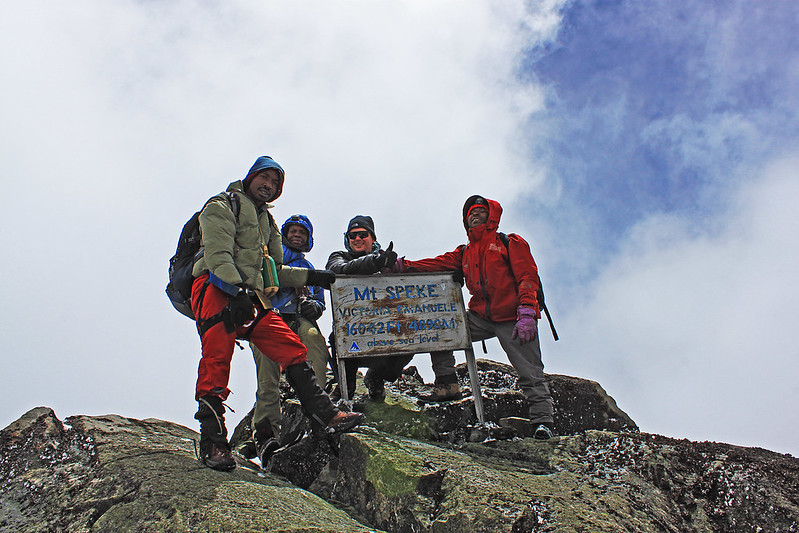
Kilembe Trail Accommodations/Huts in the Rwenzori Mountains
Exploring the Rwenzori Mountains, also renowned as the Mountains of the Moon, is an everlasting experience; the Kilembe trail is one of the principal Rwenzori trekking routes to uncover the unspoiled beauty of the Rwenzori range. When intending to tour the Rwenzori Mountains, inquiries regarding hotel options are frequently posed by trekkers. The Kilembe trail is a challenging trail/route that guides trekkers to Margherita Peak and other summits in the Rwenzori Mountains, offering excellent lodging amenities along the route. The wooden cabinets are well-maintained and arranged in a dormitory arrangement with bunk beds to accommodate a large number of trekkers in response to the increasing influx of hikers exploring the Rwenzori Mountains. The camps situated along the Kilembe trail are Forest Camp, Sine Camp, Kalalama Camp, Mutinda Camp, Bugata Camp, Hunwicks Camp, Margherita Camp, and Kiharo Camp. The campgrounds are basic yet provide a comfortable accommodation for hikers, featuring solar-powered lighting and charging stations for trekkers, allowing them to maintain their camera and phone batteries for capturing great moments.
The campgrounds are basic yet provide a comfortable accommodation for hikers, featuring solar-powered lighting and charging stations for trekkers, allowing them to maintain their camera and phone batteries for capturing great moments.
Accommodations Outside Rwenzori Mountains National Park
Besides the huts in Park, Rwenzori Mountains National Park provides a range of accommodation alternatives that cater to various budgets, from economical to opulent. The list includes: Hotel Margherita, Rwenzori Trekkers Hostel, Rwenzori Turaco Campsite, Ruboni Community Camp, Elephant Plains Lodge, Rwenzori International Hotel, and Tropical Savannah Guest House.
Ruboni Community Camp:
Ruboni Community camp is situated in Ruboni village, close to the park’s entrance. It provides basic lodging in campgrounds and guesthouses. Additionally, the camp offers guiding services for hikes through the Rwenzori Mountains.
Equator Snow Lodge:
Located in the Rwenzori Mountains‘ foothills, this lodge provides cozy lodging with stunning views of the surroundings. They offer many amenities and can facilitate the arrangement of guided excursions into Rwenzori Mountains national park.
Rwenzori Turaco View Camp:
This camp is situated in Kilembe town, adjacent to the park entrance. It provides economical lodging alternatives, including tents and dormitories. The camp offers meals and may provide trekking guides for guests.
Hotel Margherita
Our study indicates that Hotel Margherita is a favored option among tourists, who can partake in the hotel’s dining facilities and free breakfast. Rwenzori Mountains National Park is about 13.1 miles (21.3 kilometers) distant. Equator Snow Geo Lodge and Lodge Bellavista are two additional great options in the area.
Trekkers Hostel Kilembe:
This hostel provides economical lodging alternatives for travelers to Rwenzori National Park. It is situated in Kilembe town and offers fundamental amenities for visitors.
Kyaninga Lodge:
For those seeking a more upscale experience, Kyaninga Lodge has opulent lodging options, although being a little further from Rwenzori Mountains National Park. It offers breathtaking distant views of the Rwenzori Mountains and is located close to Fort Portal.
Trekkers’ Huts:
Throughout the diverse trekking paths in the park, multiple trekkers’ huts are strategically positioned at varying elevations. These huts offer fundamental lodging for trekkers, typically in dormitory-style rooms featuring bunk beds. The huts are furnished with essential amenities, including mattresses, blankets, and communal pit latrines.
Sweepers’ Huts:
These are simple lodgings used by park rangers and workers who are positioned along the hiking trails; trekkers may occasionally be permitted to use these huts, especially in emergency situations or when more shelter is required.
Mountain Huts:
Mountain huts, which are used for multi-day climbs and provide minimal facilities including sleeping quarters, cooking facilities, and occasionally solar-powered lighting, are situated at higher elevations for climbers who are trying to reach the higher peaks of the Rwenzori Mountains.
Camping:
Camping is permitted in some places of the park; however, visitors are required to provide their own camping gear. There are no official campgrounds, thus camping typically occurs at authorized campsites or in appropriate locations along the Rwenzori trekking route trails.
The Rwenzori Mountains National Park has simple and rustic lodging options, so visitors should be ready for substandard conditions and bring their own food, water, and camping supplies. It’s also a good idea to book accommodations and permits in advance, particularly during the busiest trekking seasons from December to February and June to August.
Accommodations outside of Rwenzori National Mountains Park include these and other possibilities. To guarantee availability, travelers should do their homework and make reservations well in advance, particularly during the busiest travel seasons. Additionally, depending on personal tastes and needs, it is advised to inquire about any special criteria or services provided by each lodging option.