Learn what qualifications, mountain skills, safety training, and experience a professional Rwenzori mountain guide should have for trekking and summit expeditions.
Choosing the right mountain guide is one of the most important decisions you can make when planning a trek in the Rwenzori Mountains. A professional Rwenzori mountain guide needs more than knowledge of the trail. Depending on the itinerary, a guide may need mountain leadership skills, route knowledge, navigation ability, first-aid and emergency-response training, high-altitude experience, weather awareness, technical climbing skills, and the ability to manage a trekking team safely in a remote mountain environment. At Rwenzori Trekking Expeditions, we believe travelers should understand who is leading their expedition, what qualifications are relevant to their itinerary, and why professional guiding matters before they begin their journey.
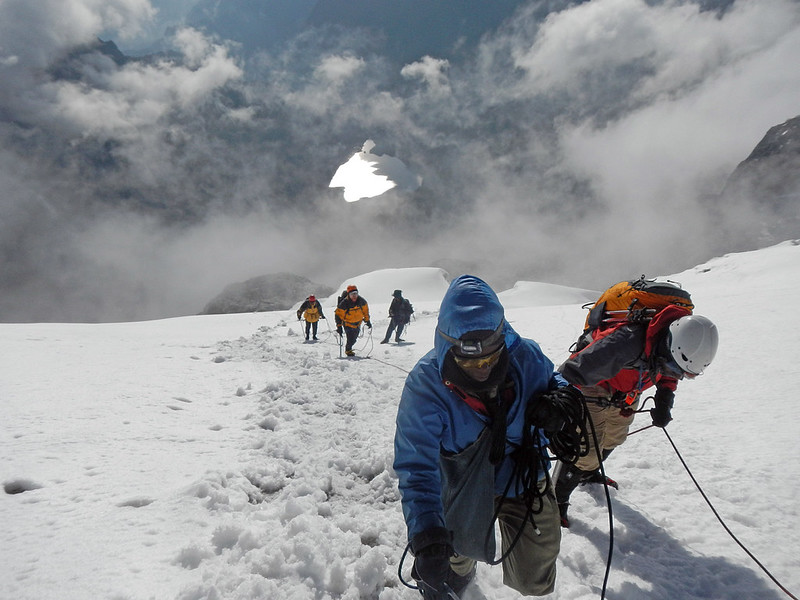
A properly qualified Rwenzori mountain guide is registered with the Uganda Wildlife Authority, has spent years working his way up through the ranks of the trekking system before leading clients independently, holds current wilderness first aid and emergency response training, understands the specific weather, terrain and altitude patterns of Rwenzori Mountains National Park in detail, and, for any expedition toward Margherita Peak, carries genuine technical experience on glaciated and roped terrain rather than a general trekking background alone. Qualification on this mountain is not a single certificate to check off a list; it is a layered combination of formal registration, structured training, accumulated route experience, and demonstrated judgement under pressure, and every one of those layers matters to how safely and how well your expedition unfolds. This page sets out exactly what that qualification looks like in practice and exactly what a serious traveler should verify before trusting a company with a once-in-a-lifetime climb
What Is a Rwenzori Mountain Guide?
A Rwenzori mountain guide is a licensed professional, registered with the Uganda Wildlife Authority, who is legally responsible for leading trekkers safely through Rwenzori Mountains National Park, from the lower forest trailheads at Nyakalengija or Kilembe all the way to the glaciated summit of Margherita Peak on Mount Stanley. This role goes well beyond showing visitors where to place their feet. A guide on this mountain is simultaneously a safety officer, a route-finder, a weather forecaster reading conditions in real time, a first responder, a cultural interpreter, and, on the hardest days, the person whose calm judgement determines whether a group turns back or pushes on. Because the Rwenzori is a genuinely complex range, non-volcanic, frequently wet, and topped with real glacial terrain, the standard for what counts as a properly qualified guide here sits meaningfully higher than on many better-known African mountains.
What Qualifications Should a Rwenzori Guide Have?
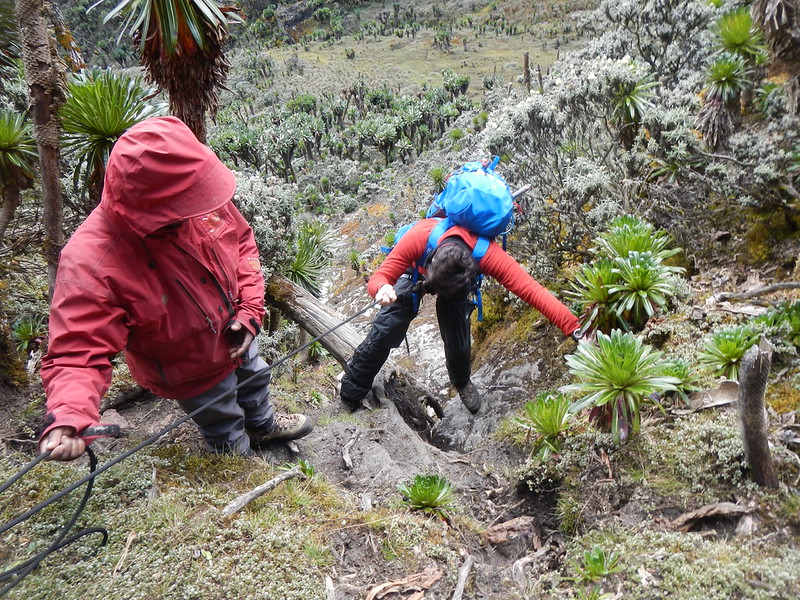
No single certificate defines a complete Rwenzori guide. Genuine qualification is built from several distinct layers of training and experience, each addressing a different demand the mountain places on the person leading you, and each is worth understanding on its own terms before you commit to an operator.
Mountain Guiding Training
Every guide working in Rwenzori Mountains National Park begins with formal registration and training recognized by the park authority, covering navigation, group management, park regulations, and the specific hazards of this terrain. Beyond that baseline, the guides we trust have typically spent several years working as porters or assistant guides before ever leading a group independently, absorbing route knowledge, weather patterns, and decision-making under the direct supervision of senior colleagues. This apprenticeship structure matters more here than a single training course ever could, because it is repetition across dozens of ascents, in every kind of weather the range can produce, that actually builds sound judgement.
First Aid & Emergency Training
Every guide leading a Rwenzori expedition should hold current wilderness first aid training, covering the recognition and management of altitude illness, hypothermia, exposure injuries, and traumatic injury in a genuinely remote setting where professional medical help may be many hours away. This is not a box-ticking requirement. On a mountain where evacuation from the upper camps can take the better part of a day even under good conditions, a guide’s first aid knowledge is frequently the only medical care available for the most critical early hours of an emergency, and it deserves the same scrutiny a traveler would apply to any other safety-critical qualification. Our own approach to emergency preparedness, including the role of a dedicated rescue porter on every summit itinerary, is set out in full in our porter and support team guide.
High-Altitude Experience
Reading a textbook description of altitude sickness is a very different skill from recognising its early signs in a specific trekker, on a specific afternoon, on a specific stretch of trail above 4,000 metres. The guides we work with have accumulated genuine high-altitude experience across dozens of ascents, learning to distinguish ordinary fatigue from the early stages of acute mountain sickness, and to make the difficult call to slow a group’s pace, or turn a client back, well before a situation becomes dangerous. This judgement cannot be taught in a classroom alone; it is built through direct, repeated exposure to how altitude actually behaves in real trekkers, in this specific range.
Technical Climbing Skills
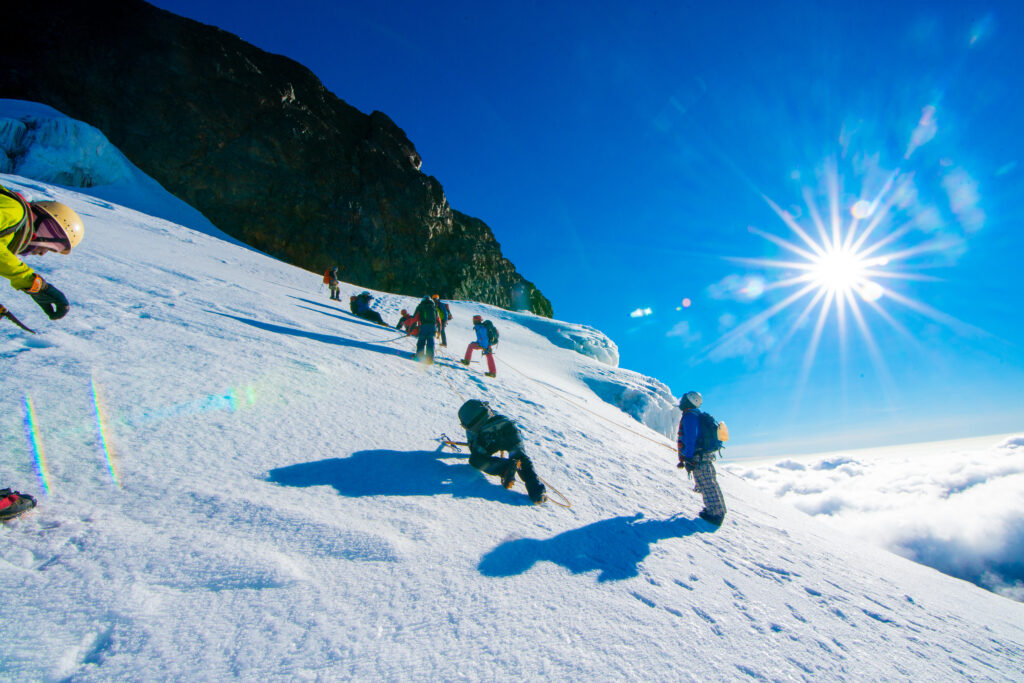
Guides supporting any expedition toward Margherita Peak need skills that go beyond trekking altogether. The final stages of the climb involve genuinely technical terrain, fixed ropes, exposed rock sections and glacier travel that demands competent use of crampons and an ice axe, and a guide leading clients through this terrain must be entirely comfortable with rope work, anchor placement and glacier travel technique themselves before they can safely manage a client through it. This is the clearest dividing line between a guide qualified for the lower forest trails and one qualified for the summit itself.
Navigation Skills
The Rwenzori’s trails are far less signposted and far more changeable underfoot than those on Africa’s more heavily trekked mountains, with mist that can close visibility to a few metres within minutes and trail markers that shift with seasonal erosion and vegetation growth. A properly qualified guide navigates confidently by terrain memory, compass and, where necessary, GPS, and does so calmly even when a whiteout descends without warning on an exposed ridge, a situation every experienced Rwenzori guide has faced more than once.
Weather & Mountain Safety
Weather in the Rwenzori changes with a speed that surprises even experienced mountaineers arriving from other ranges, and reading it correctly is one of the most valuable skills a guide brings to your expedition. A qualified guide watches cloud formation over specific ridgelines, understands how afternoon weather patterns typically build through the day, and makes proactive decisions, adjusting departure times, resting the group earlier, or delaying a summit attempt, based on signs a less experienced eye would miss entirely. This is safety management practiced hour by hour, not a single briefing delivered at the trailhead.
Knowledge of Rwenzori Routes
Deep, specific familiarity with both the Central Circuit Trail and the Kilembe Trail — the position of every hut, the character of every stream crossing, the sections most prone to becoming impassable bogs after heavy rain — is something a guide accumulates only through repeated seasons on the mountain. A guide who knows a route only in general terms cannot make the fine-grained decisions, which fork to take after an unexpected landslide, where to find dry ground for a rest stop, that separate a smoothly run expedition from a difficult one.
Margherita Peak Guide Qualifications
Leading clients to the summit of Margherita Peak on Mount Stanley calls for the single highest tier of qualification found on this mountain. Beyond the standard trekking credentials, a summit guide needs demonstrated competence in glacier travel and crevasse awareness, confident rope management on exposed rock and ice, and the physical conditioning to remain sharp and decisive at altitude after several already-demanding days on the trail. Just as importantly, a summit guide needs the judgement to recognise when conditions on the glacier, ice quality, visibility, a client’s evident deterioration, mean the safest and most professional decision is to turn back short of the top. We consider this willingness to prioritise safety over a summit photograph one of the clearest markers of a genuinely qualified guide, and one of the hardest qualities to fake.
Kilembe Trail Guide Experience
The Kilembe Trail approaches the range from the south, passing through its own distinct sequence of forest, bamboo, and heath zones, and has a hut network and camp logistics that are quite different from those of the Central Circuit trail. Guides experienced on this specific route bring detailed knowledge of its particular river crossings, its microclimate patterns, and the pacing that works best across its slightly different daily distances. A guide who has spent real seasons on Kilembe specifically, rather than transferring general Rwenzori experience from the other side of the range, brings a level of route-specific confidence that shows in small but meaningful ways throughout the trek.
Central Circuit Guide Experience
The Central Circuit Trail remains the most established and most frequently climbed route on the mountain, and guides who have spent years working this specific circuit develop an intimate familiarity with its full hut network, from Nyabitaba through to the high camps beneath the glaciers. This experience translates directly into smoother days on the trail: a guide who knows exactly how long a specific stretch of bog typically takes to cross after rain, or which hut consistently offers the better rest before a demanding climbing day, is making dozens of small, informed decisions that a less experienced guide simply cannot replicate.
Communication & Leadership Skills
Technical competence alone does not make a great mountain guide. The best guides we work with communicate clearly and calmly under pressure, read a group’s collective mood and energy across a demanding day, and know precisely when to encourage a tiring trekker forward and when to insist, kindly but firmly, that the group rest. This is relevant enormously for families managing the energy of younger trekkers, for couples navigating a shared physical challenge together, for solo travelers who rely entirely on their guide’s companionship and judgement, and for groups of friends whose fitness levels inevitably vary across a multi-day expedition.
Leadership on this mountain looks less like giving orders and more like quietly managing dozens of small decisions so that every member of a group arrives at each camp safely and in excellent spirits.
Local Knowledge
The great majority of experienced Rwenzori guides come from Bakonzo communities living around the base of the range, and this heritage brings something no training course can substitute: generational familiarity with the mountain’s moods, its seasonal rhythms, and the cultural significance these peaks hold for the people who have lived beside them for centuries. A guide drawing on this local knowledge can point out details a visiting mountaineer would otherwise miss entirely, from subtle indicators of coming weather to the deeper cultural stories attached to specific peaks and valleys within Rwenzori Mountains National Park.
Environmental & Conservation Knowledge
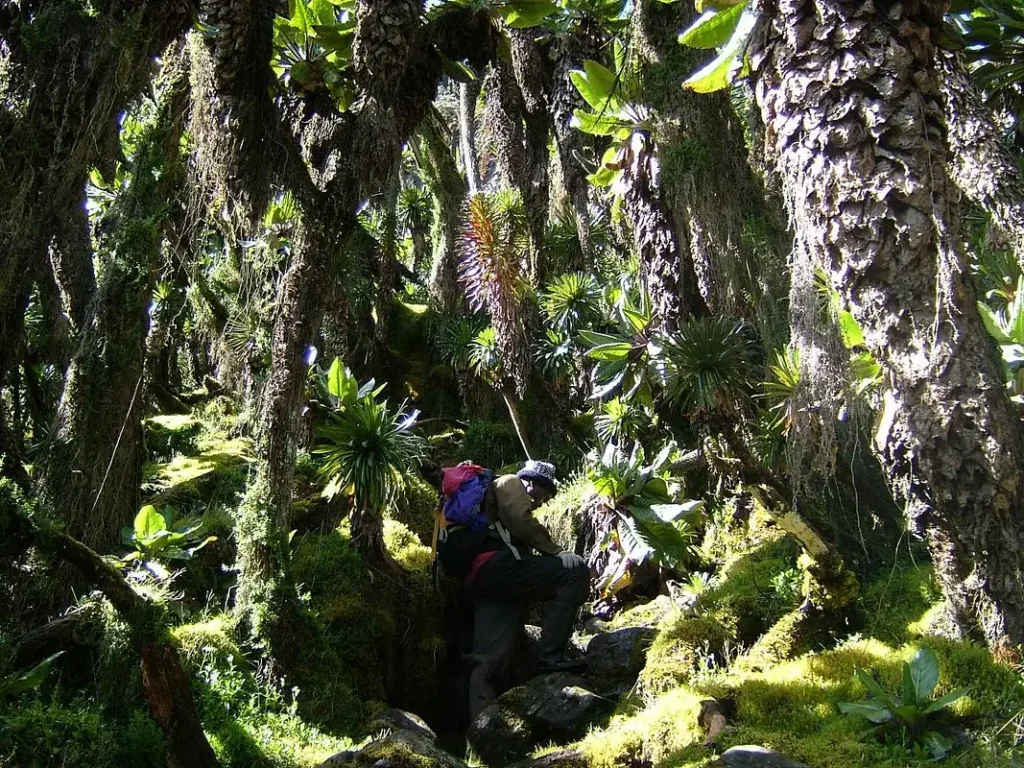
Rwenzori Mountains National Park is a UNESCO World Heritage Site, and a properly qualified guide understands the ecological significance of what your group is walking through, the giant lobelias and giant groundsels found in the Afro-alpine zone, the rare Albertine Rift bird species in the lower forest, and the fragility of a glacial environment that has visibly retreated within living memory. This knowledge shapes practical behavior on the trail: minimizing impact on sensitive vegetation, managing waste properly at camp, and helping trekkers understand why certain conservation practices matter, turning an expedition into a genuinely educational experience rather than a simple physical accomplishment.
Porter & Team Management
A lead guide is also responsible for managing the wider expedition team, coordinating porters, a cook, and, on summit itineraries, a dedicated rescue porter so that food, equipment, and safety supplies arrive at the right camp at the right time throughout a multi-day trek. This includes ensuring porter loads stay within the fair welfare limits we describe in detail in our porter guide and treating the wider trekking team as genuine colleagues rather than simply hired labor. A guide who manages this team well, keeping morale high, resolving the inevitable small logistical frictions of a multi-day expedition, and ensuring every member of staff is treated fairly, is managing a significant part of what actually determines whether your trip goes smoothly.
How We Select Our Guides
Every guide who leads a Rwenzori Trekking Expeditions client has worked their way up through years of direct mountain experience, typically beginning as a porter, then an assistant guide, before ever being trusted to lead a group independently. We look beyond formal registration alone, though that is a baseline requirement, and pay close attention to how a guide handles pressure on the mountain itself: how they communicate with a struggling client, how they manage a sudden weather shift, and how honestly they report incidents and near-misses rather than downplaying them. We would rather work with a guide who tells us plainly that a summit attempt should be abandoned than one who pushes forward to please a client, and this priority shapes every stage of how we build our team.
How Guide Qualifications Are Verified
We verify every guide’s park registration directly, confirm current first aid certification before each season begins, and require ongoing refresher training in emergency response and, for our summit guides, technical rope and glacier skills.
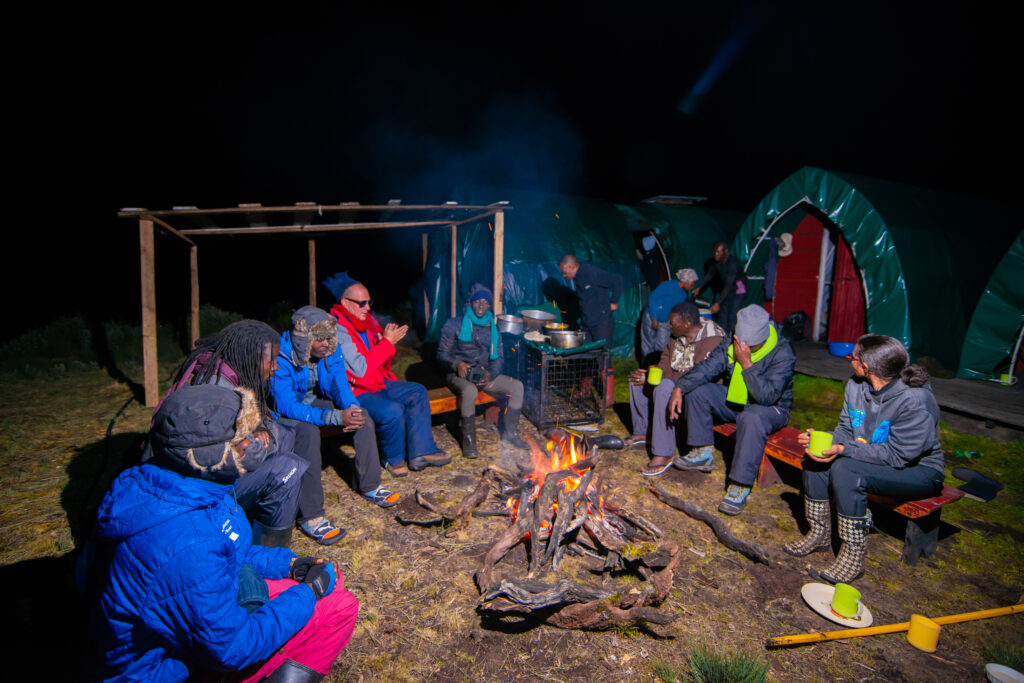 Beyond paperwork, we rely on direct performance review: senior guides and our own management team assess newer guides across real expeditions before they are permitted to lead independently, and we maintain an ongoing dialogue with our full guiding team about conditions, incidents and lessons learned each season. This is a living verification process, not a one-time check performed when someone is first hired.
Guide-to-Client Ratios
The right ratio of guides to trekkers depends on group size and route difficulty. A solo trekker or a couple on a standard trek travels with a single lead guide as standard, while larger groups, and any expedition attempting Margherita Peak, are supported by both a lead guide and an assistant guide, allowing one to manage the pace of the main group while the other gives closer attention to any trekker who needs it. We size this ratio to the specific demands of your itinerary rather than applying a single fixed number regardless of route, and we are always glad to confirm the exact guiding structure of your trek before you book.
What Happens During an Emergency?
If a medical issue or a serious weather event arises on the mountain, your guide’s first responsibility is an immediate assessment: stabilising the affected trekker using their wilderness first aid training, and making a clear-headed judgement about whether the group can continue, should pause, or needs to descend. For anything beyond minor issues, the guide coordinates directly with the dedicated rescue porter assigned to summit expeditions, who is specifically equipped and briefed to support a rapid, assisted descent, while communicating with park authorities and our own office to arrange further support. This response sequence is planned and rehearsed rather than improvised in the moment, precisely because the remoteness of the upper mountain means the first hour of any emergency is almost always managed entirely by your own guide and team, before any outside help can reach you.
What Travelers Should Ask Before Starting Their Trek
Before committing, we would encourage every serious traveler to ask directly how many years their assigned guide has worked on this specific mountain, what first aid and emergency training that guide currently holds, and whether the guide leading a Margherita Peak attempt has genuine technical glacier and rope experience rather than trekking experience alone. It is equally worth asking what the guide-to-client ratio will be on your specific itinerary, how the emergencies are handled in practice, and how guides are selected and reviewed. Since we are confident in the quality of our guiding team, we will answer every one of these questions specifically and without hesitation, and our responsible tourism policy sets out exactly how we answer these questions for our guests.
Guide Qualifications vs. Experience
Formal qualification and lived experience are related but genuinely distinct, and both matter. A registration certificate and a completed first aid course confirm that a guide has met a recognised baseline, but they say little about how that guide actually performs when a client develops early signs of altitude sickness on a remote stretch of trail, or when a sudden storm closes in an hour from the nearest hut. Experience, the accumulated pattern-recognition built across dozens of real ascents in every kind of weather this mountain produces, is what turns formal training into genuinely sound judgement. We look for both in every guide we work with, treating qualification as the necessary starting point and experience as the quality that ultimately keeps an expedition safe.
Responsible Guiding Standards
Responsible guiding extends beyond client safety alone to how a guide treats the wider expedition team and the environment itself. This means fair treatment and clear communication with porters and cooks, strict adherence to porter load limits, respect for park conservation regulations, and an honest, transparent relationship with clients about risk, pace and turnaround decisions. We hold every guide working with Rwenzori Trekking Expeditions to this standard as a condition of continuing to lead our clients, and our full commitments on this subject are detailed in our responsible tourism policy