Discover how Rwenzori Trekking Expeditions supports porters through fair treatment, reasonable loads, safety, welfare, accommodation, meals, and transparent tipping.
On every Rwenzori Trekking Expedition, porters carry a maximum of twenty-five kilograms of assigned load, are paid fair, transparent wages in line with the standards set by the range’s trail management authorities, sleep in designated huts or camp shelters separate from trekkers, receive full meals and clean drinking water throughout the expedition, and are covered by clear procedures for illness, injury, and unsafe conditions. This Rwenzori Porter Policy page explains how, whether you are trekking solo, as a couple, with family, or in a larger group, you know who is carrying your journey and how we look after them.
A Rwenzori expedition is, in the truest sense, a shared undertaking. It is carried out by trekkers and porters together, across the same mud, the same steep passes, and the same unpredictable weather, though rarely under the same physical load. Rwenzori Trekking Expeditions exists to give travellers an honest, extraordinary encounter with the Mountains of the Moon, and we hold ourselves to the plain conviction that this experience cannot come at the expense of the people who make it possible. This policy is our public, written commitment to the porters who work alongside every trekker we guide: how much they carry, how they are paid, where they sleep, how they are fed, and how we protect them when things go wrong.
We publish this policy openly because we believe travellers deserve to know exactly how their trek is staffed and resourced before they book, whether they are planning a solo expedition, a honeymoon trek as a couple, a family introduction to the range, or a larger group departure with friends or colleagues. Every itinerary we run, regardless of size or ambition, follows the same underlying standards described on this page.

Why Porter Welfare Matters
The Rwenzori is not a mountain that forgives carelessness, and the people who feel this most acutely are rarely the trekkers carrying only a light daypack. Porters carry the heavier, fixed loads that make an expedition function at all, communal tents on routes without huts, cooking equipment, food supplies for the full trek, and trekker luggage, across the same steep, muddy, weather-exposed terrain that challenges every visitor to this range. Where operators cut corners, it is almost always the porter team that absorbs the consequences first: overloaded packs, inadequate footwear, thin wages, and safety left to chance.
Porter welfare also matters because it is inseparable from the wider well-being of the Bakonzo communities who call these foothills home. Fair, well-managed porter employment is one of the most direct and meaningful ways that Rwenzori trekking tourism supports local families, funds school fees, and sustains livelihoods in Kasese District. A traveller who chooses an operator with genuine porter welfare standards is not simply making an ethical choice in the abstract; they are making a direct, tangible difference to the people whose skill and endurance carried their expedition.
Who Are Rwenzori Porters?
Rwenzori porters are trained, certified local professionals, drawn overwhelmingly from the Bakonzo community whose ancestral homeland spans the foothills and lower slopes of this range. Certification is overseen by the trail management authorities responsible for the Central Circuit Trail and Kilembe routes, and it typically follows years of informal experience, often beginning as a young man accompanying an older relative on the trail long before carrying a load independently. Many of the senior guides now leading expeditions across the range began their careers exactly this way, which makes porter work on the Rwenzori a genuine profession with a visible path forward, not merely casual labor.
On every trek we operate, your porters are part of a coordinated team working alongside your guide and cook, each with defined responsibilities that extend well beyond carrying weight, from camp setup and water collection to quiet, practical support on the trail’s more difficult stretches.
How We Determine Porter Numbers
The number of porters assigned to any given trek is not an arbitrary figure; it is calculated based on the specific demands of your itinerary. Route choice matters enormously here. Trekking along the Central Circuit Trail or Kilembe trails, which are served by fixed huts or designated camps, requires fewer porters per trekker than routes without hut infrastructure, where tents, a full kitchen, and group shelter must be carried, built, and dismantled at every stop. Trip duration, group size, and the total weight of communal equipment and food supplies all factor into the calculation as well.
We deliberately err toward adequate staffing rather than the bare minimum. An understaffed trek places unfair pressure on individual carriers and, ultimately, on the safety and pace of the entire expedition. Before you depart, we can confirm exactly how many porters your specific itinerary requires and why, so there is no ambiguity about the team supporting your trek.
Porter Load Policy
The cornerstone of this entire policy is a simple, enforced number: no porter working with Rwenzori Trekking Expeditions carries more than twenty-five kilograms of assigned load. This limit reflects the standards set by the trail management authorities governing the range, and it is not a guideline left to individual discretion; it is checked physically before every trek begins.
Every bag destined for the mountain is weighed on a spring scale at the trailhead assembly point, under the direct supervision of the head guide. Any load found over the limit is repacked on the spot, before a single step is taken. This process exists for one reason above every other: to protect the people carrying it, over multiple demanding days, on terrain that punishes excess weight far more severely than it punishes a slower pace.
What Rwenzori Porters Carry
A porter’s assigned load typically combines a trekker’s main luggage with a share of communal expedition equipment, food supplies for the group, cooking pots and stoves, gas canisters, and on routes without fixed huts, tents, and group shelter. Loads are assigned deliberately rather than at random: the heaviest and most demanding communal equipment goes to the most experienced members of the team, since the functioning of the entire expedition depends on it, while trekker bags are generally assigned to the same porter for the duration of the trek, allowing a working familiarity to build day by day.
What Trekkers Carry
Trekkers on our itineraries carry a light daypack containing only what they need within reach during the day’s walk: water, waterproof layers, snacks, a camera, sun protection, and any personal medication.
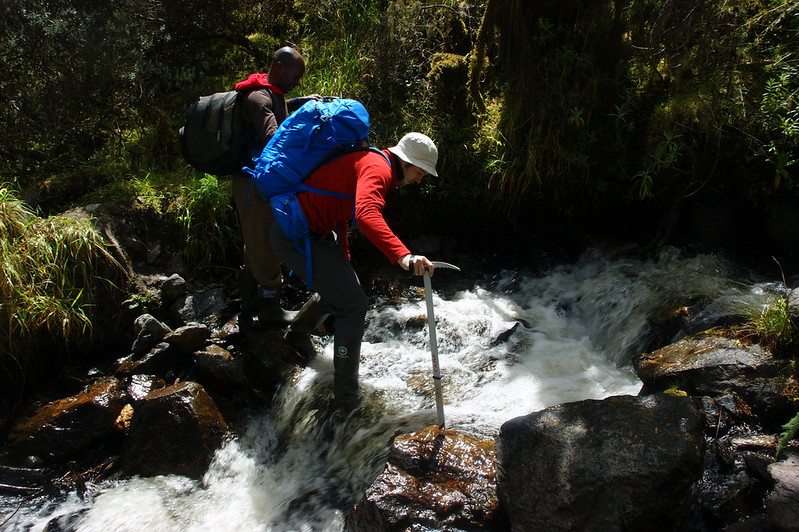
Your main luggage, carried by your assigned porter, travels separately and is waiting for you at each hut or camp on arrival. This division of labor is not incidental; it is precisely what allows you to focus your energy on the terrain, the altitude, and the experience itself, rather than on load-bearing endurance.
Luggage Allowance
We ask every trekker to pack with genuine discipline, keeping their main bag within a weight allowance confirmed at the time of booking and reinforced again during the trip briefing. This is not a bureaucratic formality. Every unnecessary kilogram in a trekker’s main bag is a kilogram someone else must carry up the same muddy passes for several consecutive days, and disciplined packing is one of the simplest, most direct ways a traveller supports fair porter treatment before the trek has even begun.
Fair Compensation
Porters working with Rwenzori Trekking Expeditions are paid base wages set in line with the standards established by the relevant trail management organizations for Kasese District, calibrated to be sustainable for our operation while providing genuinely meaningful income by local standards. We do not treat these figures as a ceiling to be minimized for margin; we treat them as a floor to be honored consistently, trek after trek, regardless of group size or season.
We are equally transparent about the fact that base wages, on their own, remain modest relative to the physical demands of the work. This is precisely why fair tipping, discussed later on this page, forms such an important part of the overall compensation a porter earns across a working season and why we brief every traveller clearly on what fair tipping looks like well before they reach the trailhead.
Meals & Drinking Water
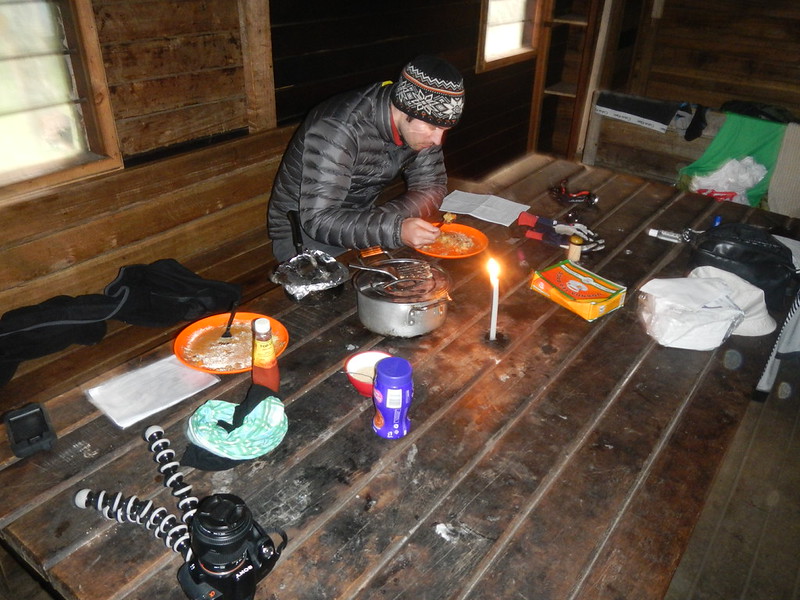
Every porter on a Rwenzori Trekking Expeditions trip receives full meals throughout the expedition, prepared alongside the trekking party’s own food by the trek’s cook, using supplies the porter team itself carried up that morning. Portions are calorie-appropriate for the physical demands of the work, and the porter team typically shares its evening meal separately from trekkers, once the day’s cooking and camp duties are complete. Clean drinking water is provided and treated at each stop, sourced and managed as a shared camp responsibility rather than left to individual arrangements.
Accommodation
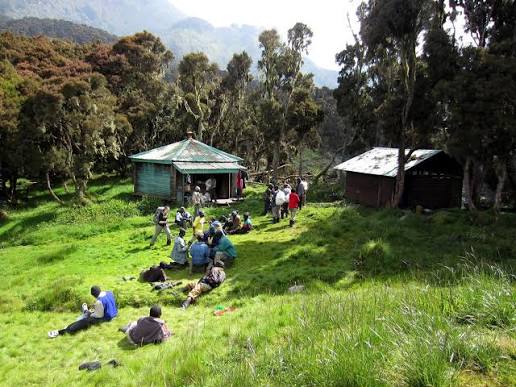
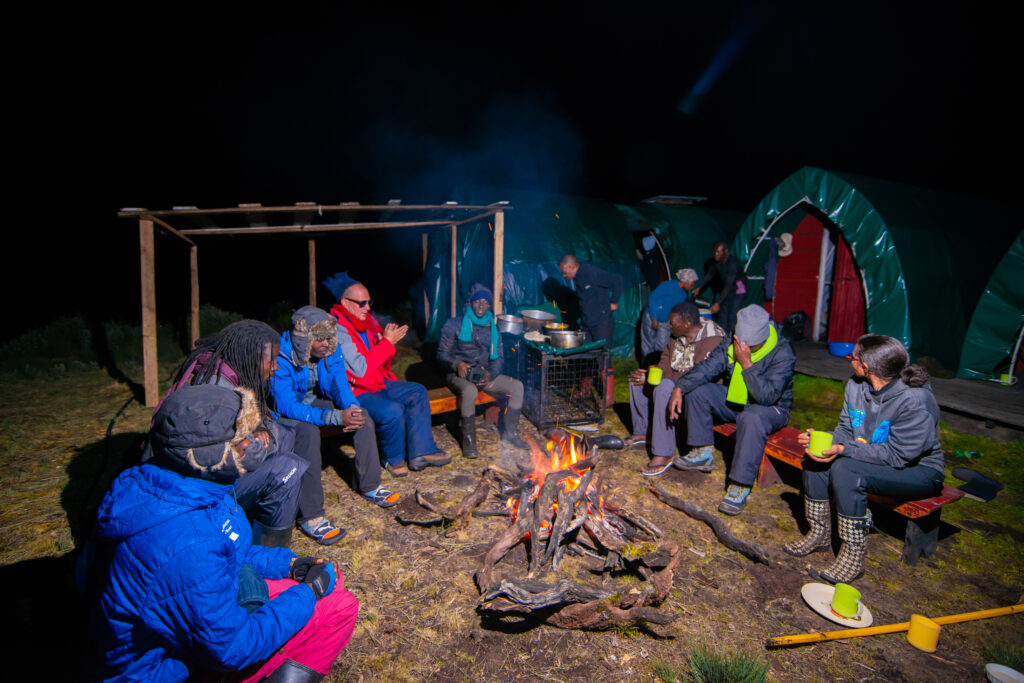
Porter sleeping arrangements are simpler and more communal than trekker accommodation, reflecting the practical realities of mountain infrastructure rather than any lesser regard for comfort. On routes served by fixed huts, porters generally sleep in a dedicated, more basic section of the hut, separate from trekker sleeping quarters. On routes without huts, porters share tent space within the same camp they have built for the group. Nights above roughly three and a half thousand metres are genuinely cold for everyone on the mountain, and we ensure our porter teams have adequate shelter and bedding to manage those conditions safely, even when the setting remains basic by design.
Clothing & Equipment
We consider proper footwear, rain protection, and warm layers to be operational necessities for our porter teams, not optional extras left to individual means. Gumboots are standard equipment for many porters, since the range’s mud and frequent stream crossings make conventional hiking boots impractical at the pace and repetition this work demands, and we work to ensure our teams are properly equipped for the conditions rather than improvising with whatever happens to be available. Communal equipment, tents, cooking gear, ropes, and technical kits for summit-bound itineraries are maintained and checked before each departure, since porter safety depends as much on functioning equipment as it does on physical stamina.
Health & Safety
Porter health and safety is treated as a continuous responsibility that runs through the entire expedition, not a single checkpoint at the trailhead. This starts with load weighing, includes careful daily itinerary planning that prioritizes porter wellbeing over speed, and involves ongoing monitoring by guides during treks.
Working Hours & Rest
Daily stages are planned with genuine regard for the physical demands already placed on the porter team, rather than pushed to the fastest possible pace. Adequate rest at each camp is treated as a safety requirement rather than a convenience, since a fatigued porter working a heavy, fixed load on steep, uneven terrain represents a real and preventable risk. Consecutive trekking days are balanced within each itinerary’s design so that cumulative fatigue is accounted for, not simply absorbed by the team without acknowledgment.
Weather & Dangerous Conditions
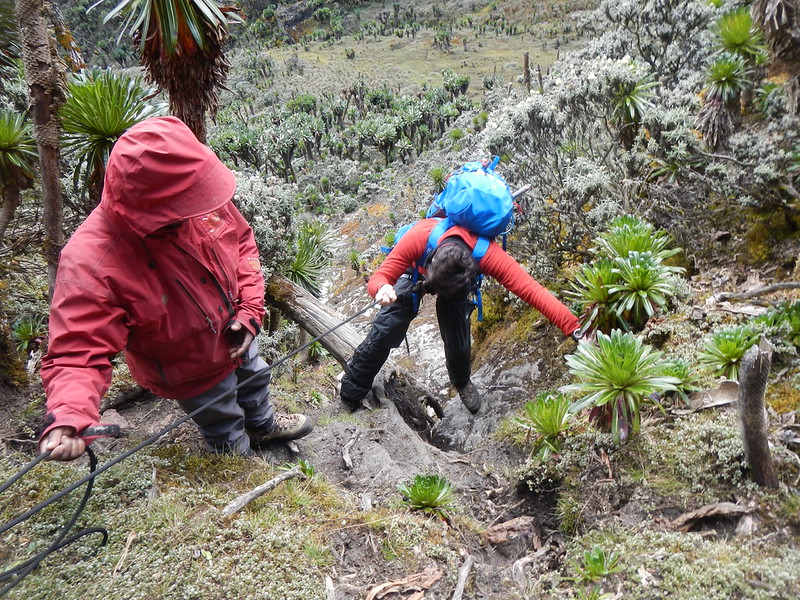
The Rwenzori generate their own weather, often with little warning, and porters are exposed to that weather for longer hours and under heavier loads than trekkers typically experience. Our guides are trained to adjust pace and, where necessary, the day’s plan itself in response to deteriorating conditions, with porter safety weighed alongside trekker safety rather than treated as a secondary concern. On genuinely dangerous terrain, an unstable stream crossing, or a section compromised by heavy rain, the operating decision is made by the lead guide on the ground, informed by the judgment of the porters who know that specific stretch of trail best.
Illness, Injury & Emergency Procedures
Should a porter become sick or injured during a trek, our guides are trained to respond immediately, assess the situation, and arrange appropriate care, which may include redistributing that individual’s load among the rest of the team, arranging descent, or coordinating outside medical assistance depending on severity and location. Because much of the range is genuinely remote, response times will always be longer than in more accessible destinations, and we plan every itinerary with this reality built into our contingency arrangements rather than treating it as an unlikely edge case. A porter’s health is never weighed against maintaining a schedule; the schedule adjusts, not the other way around.
Can a Porter Refuse an Unsafe Load?
Yes, unambiguously. Porters have the right and support to refuse loads over twenty-five kilograms or deemed unsafe, with no penalties for raising safety concerns. Guides must regard such refusals as important safety information and resolve the situation by redistributing weight, avoiding any pressure on individuals to act against their judgment.
Respectful Treatment & Non-Discrimination
Every porter working with Rwenzori Trekking Expeditions is treated as a skilled professional, addressed and represented with the same respect and dignity extended to any member of our guiding team, regardless of age, background, or how long they have worked with us. We do not tolerate discriminatory treatment of porters by staff, and we hold trekkers to the same standard of basic courtesy and respect throughout every expedition we operate. This is not a diplomatic nicety on our part; it reflects a straightforward belief that the people carrying your trek deserve exactly the same regard you would expect for yourself.
Tipping Policy
Because base wages remain modest relative to the physical demands of the work, tipping is not treated on our treks as an optional courtesy; it is understood, openly, and by every trekker before departure to carry genuine economic significance for the people who earn it. We clearly brief every traveller on appropriate tip ranges based on role, group size, and trek duration before arrival, ensuring that generosity reflects informed intention rather than last-minute guesswork.
How Tips Are Distributed
We recommend a collective approach for tipping, where a single amount is given to the lead guide for fair distribution among the entire team based on role and responsibility. This approach ensures that porters working on less visible but equally demanding tasks, like camp setup, water collection, and carrying communal equipment, are recognized alongside those a trekker may have interacted with more directly on the trail. Distribution is handled transparently, with the lead guide responsible for ensuring that every team member receives their fair share.
Recruitment & Local Employment
Our porters are recruited directly from the communities bordering the range, with strong preference given to local Bakonzo residents whose knowledge of this terrain has, often, been built across generations. We view this practice not merely as a logistical convenience but as a deliberate commitment to ensuring that the economic benefit of Rwenzori trekking tourism flows to the people whose homeland it is. Where possible, we favor long-term, returning relationships with our porter teams over short-term casual hiring, since experience on this specific mountain translates directly into safer, better-managed expeditions for every traveller we guide.
Guide Responsibilities Toward Porters
Every guide operating under Rwenzori Trekking Expeditions carries a direct responsibility for the welfare of the porter team on their trek, not merely for the trekkers in their care. This includes supervising load-weighing, monitoring team pace and fatigue daily, intervening when loads or conditions are unsafe, and communicating openly with porters about the day’s plan and any changes. Guides are expected to treat porter welfare as a core operational duty, on the same level of seriousness as trekker safety, rather than a secondary concern managed only if time allows.
Traveler Responsibilities
Responsible trekking is a shared undertaking, and travellers have a meaningful role to play in upholding the standards described on this page. This means packing within the agreed luggage allowance rather than treating the limit as a suggestion, tipping fairly and in line with the guidance we provide, treating every member of the porter team with genuine courtesy and respect, and raising any concern directly with your guide or our office rather than letting it go unspoken. Whether you are trekking as a solo traveller, a couple, a family, or part of a larger group, these expectations apply equally, and we are always glad to explain them in more detail before you depart.
What Travelers Can Expect From Us
You can expect complete transparency about how your trek is staffed, what your porters carry, and how they are compensated, communicated clearly before you book rather than discovered on the mountain. You can expect a properly resourced team, equipped for the conditions and paced with genuine regard for their well-being. And you can expect that if something changes on the mountain—weather, an injury, or an unexpected delay—the decision made will always weigh porter safety as seriously as your own.
What We Expect From Travelers
In return, we ask every traveller to pack thoughtfully, tip generously and in line with our guidance, treat the team with warmth and respect, and trust the judgment of guides and porters who know this mountain intimately, even when that judgment means a slower pace or an adjusted plan. A well-run Rwenzori expedition is a partnership, and we have found that travellers who arrive with this mindset consistently have the most rewarding experience on the mountain.
Reporting Concerns
If, at any point before, during, or after your trek, you have a concern about how a porter has been treated, loaded, paid, or accommodated, we want to know directly. You can raise concerns with your guide on the mountain or our office at any time, and we will take every report seriously and address it individually. We view traveller feedback as one of the most valuable checks we have on our standards, and we would rather hear about a shortfall directly from you than have it go unaddressed.
Our Commitment to Continuous Improvement
This policy is not a static document filed away and forgotten; it is reviewed and updated as trail conditions, local wage standards, and best practices in responsible mountain tourism evolve. We seek input from our guiding and porter teams to strengthen our standards and prefer to proactively update this page rather than let it fall behind our operational reality. Ethical porter employment, in our view, is a commitment renewed every season, not a box checked once and left unexamined.